Volvo has used Handel Gothic, a geometric sans-serif typeface, since 1974, integrating it into its vehicle interiors and model badges. It was designed by Donald J. Handel in 1965. This font, known for its clean, futuristic aesthetic — it was used for Star Trek lettering — features curved elements within a structured design, and it aligns with Volvo’s brand identity of precision, safety, and modernity.
In the 1970s, Volvo initially applied Handel Gothic to model badges on its vehicles, a practice that continues today. The font’s bold, legible forms made it ideal for external branding, ensuring model names were easily readable and visually striking. Like Volvo Broad, it’s a header font, not a body font.
- Badges, 140/240 era: normal weight, all caps
- Badges, 700 and 900 series: thin weight, all caps
- Badges, post 850 era: thin weight, all caps, italic, light modification on some characters
- Interiors: thin weight, all caps, never lowercase, never italic
Badges first… interiors later
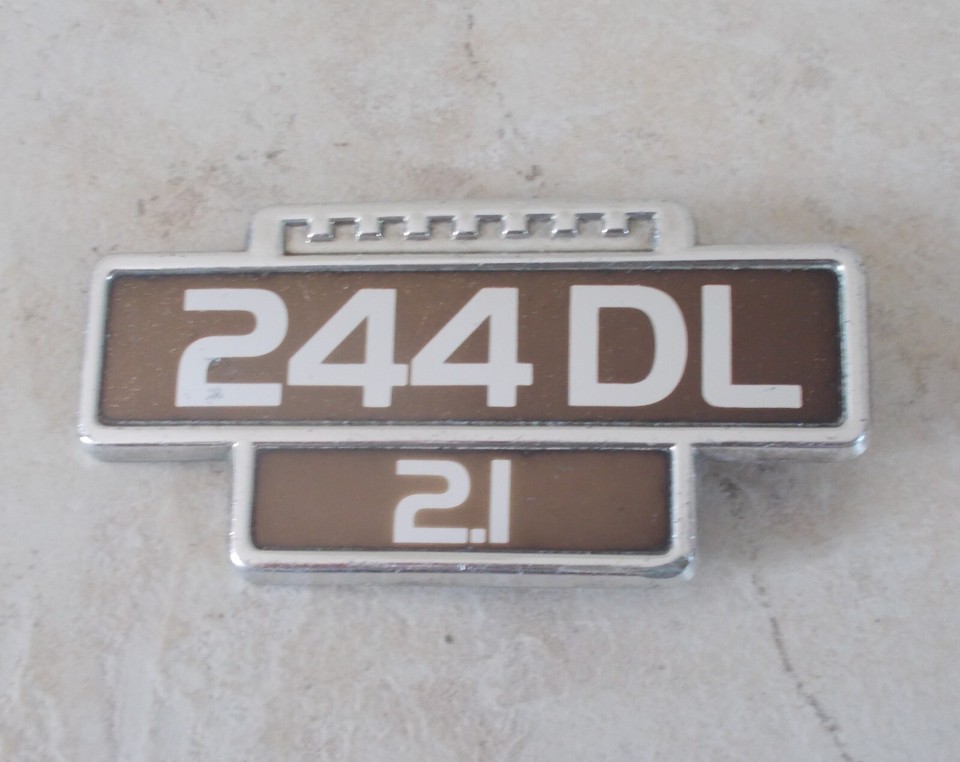
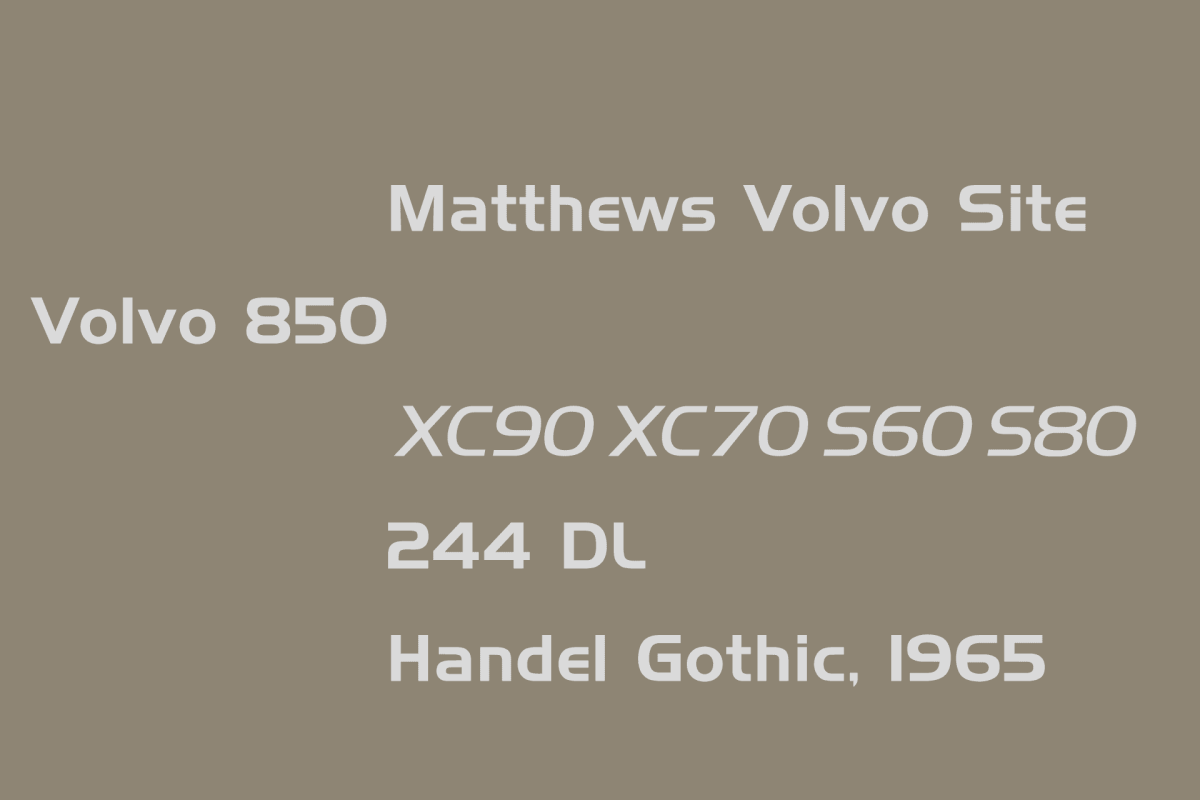
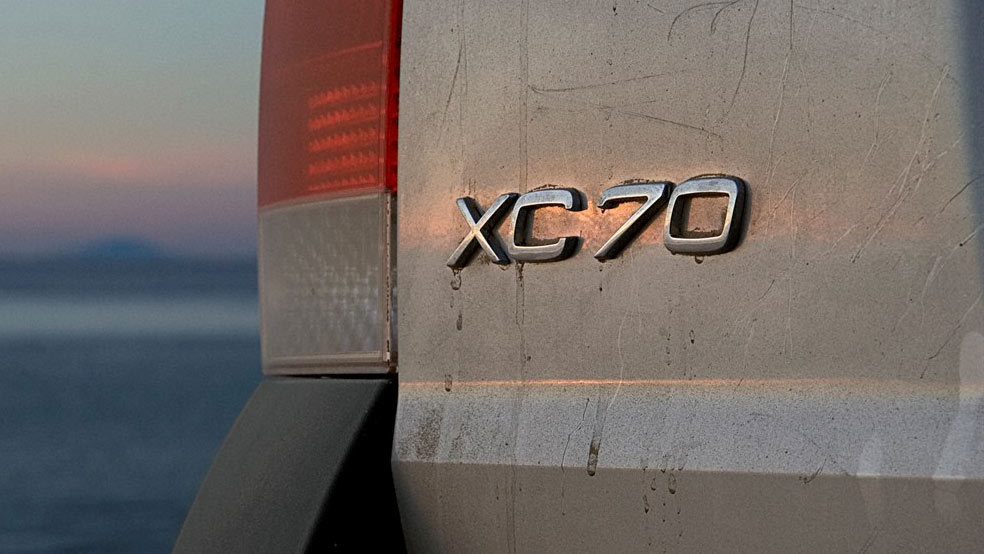
Handel Gothic Timeline
By the early 1980s, specifically with the debut of the 740 and 760 models, Volvo began using it in interior applications, particularly for instrument panels and dashboard graphics. From my research this happened on every car after the 240, while badging seemed to jump around somewhat, at times moving away from Handel Gothic.
The transition to Handel Gothic in Volvo interiors capitalized on the font’s clarity, which is critical for driver-facing displays where readability under varying conditions is essential. The geometric structure and generous x-height of Handel Gothic enhance visibility, making it suitable for gauges, warning lights, and other dashboard text. This consistent use in interiors has persisted, reinforcing a cohesive brand experience inside Volvo vehicles.
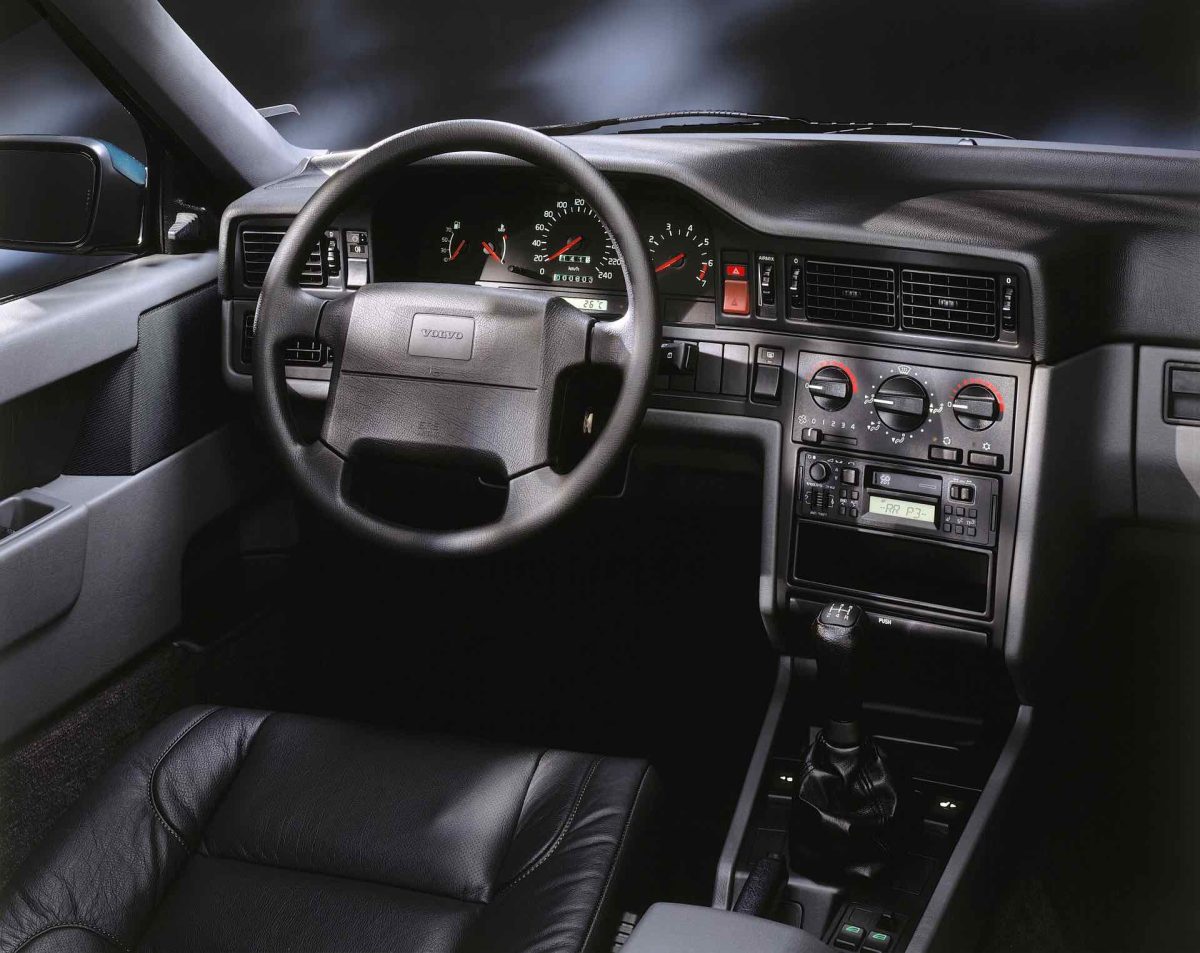
During the 1980s, Handel Gothic was particularly popular for its futuristic vibe, Volvo leveraged it to define its cars’ interiors and exterior badging. By the 1990s, Volvo began using both a thinner and italic version for badging.
By the 1990s…
In the 1990s, starting with the Volvo 850, Volvo had standardized its use of the font. Exterior badging adopted italics and a thin weight, while interior use rules remained the same as the post-240 model: use it for everything, all caps, thin weight.
Handel Gothic was especially fitting for a brand emphasizing advanced safety features and durable engineering. The font’s square proportions and full-bodied counters ensure high readability across various sizes, making it effective for interior legibility. While Volvo has introduced other typefaces — such as Volvo Novum and Volvo Antikva — for specific marketing purposes like social media and editorial content, Handel Gothic remains a key element even today.
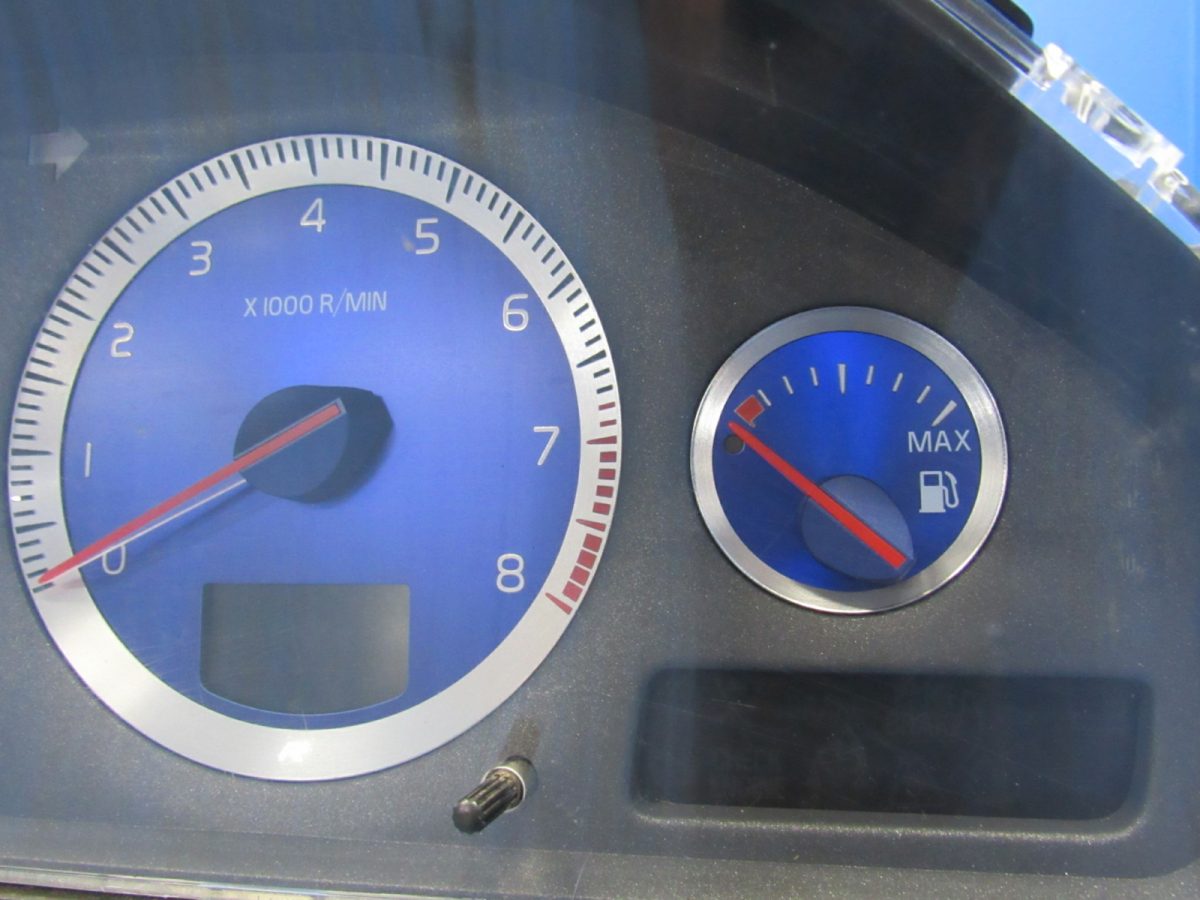
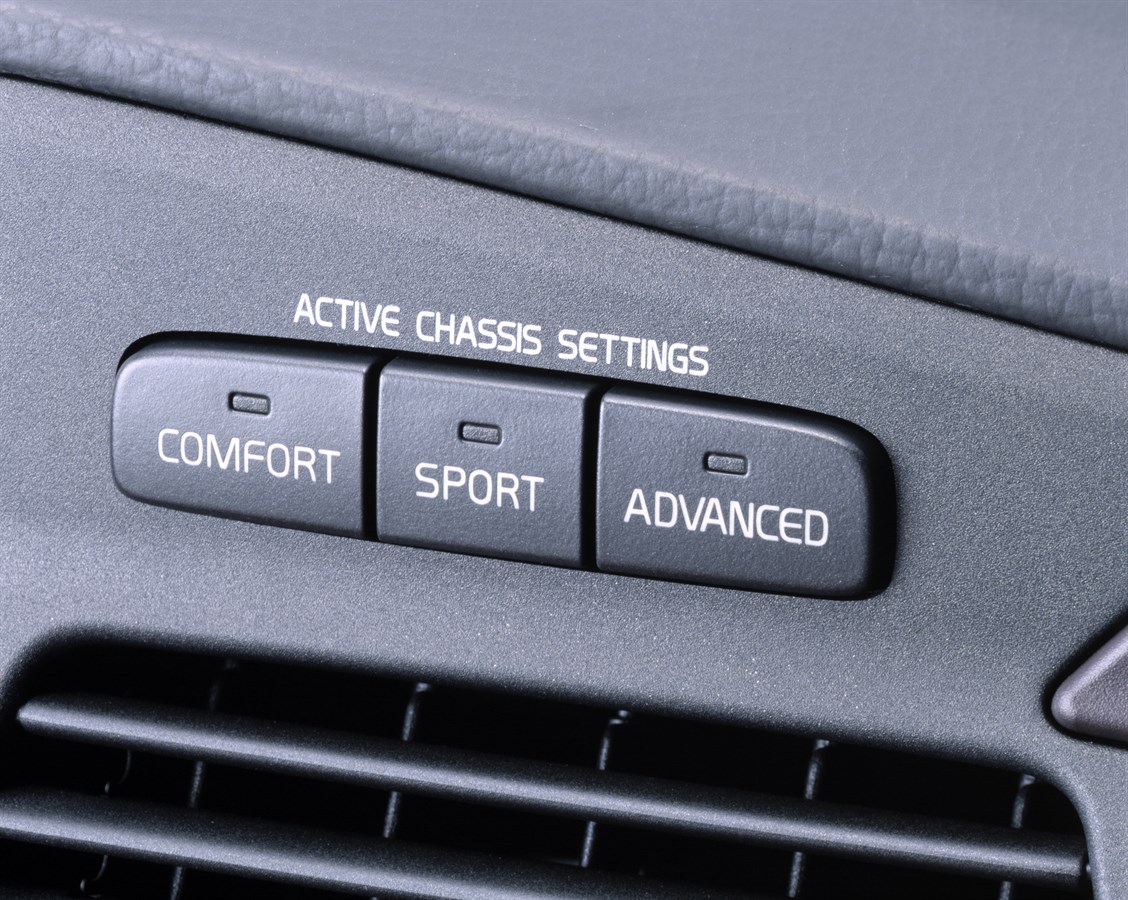
50 Years Later, Still in Use
The font’s clean lines and lack of serifs reduce visual clutter, aiding quick comprehension of critical information.
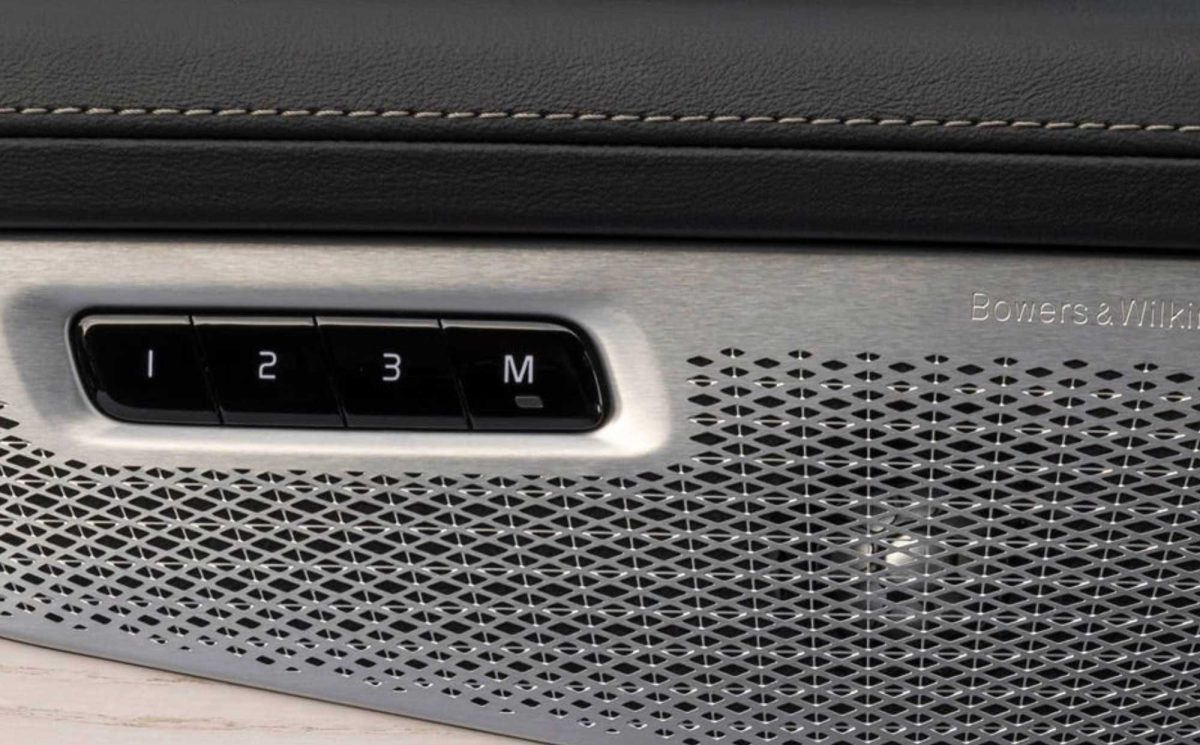
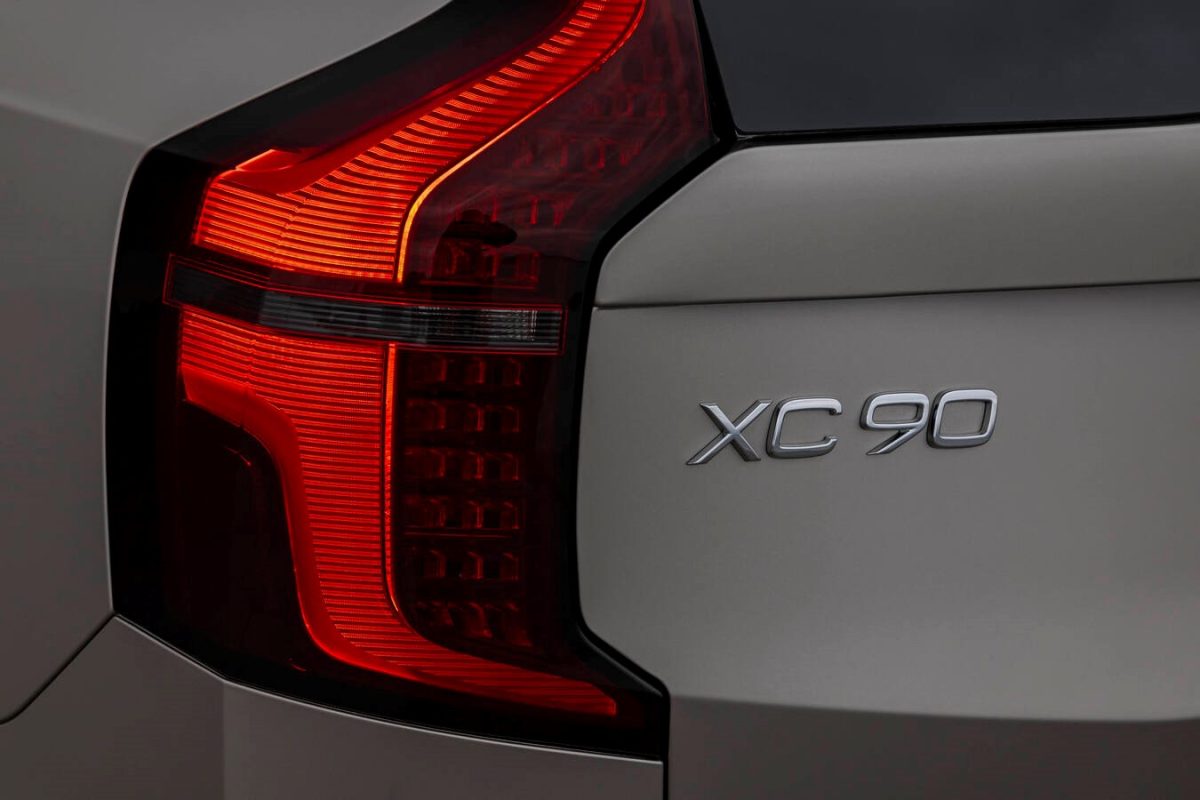
The font’s association with Volvo since 1974 also fosters brand consistency, subtly reinforcing familiarity for long-time customers. Volvo’s choice of Handel Gothic reflects a deliberate alignment of typography with brand values. Its continued use in interiors and selective application in marketing demonstrate its enduring relevance, balancing functionality with a distinctive aesthetic that supports Volvo’s reputation for safety and innovation.

My Thoughts on Volvo’s 1970s Choice
My thoughts are that Volvo made a fantastic decision in the 1970s adopting Handel Gothic. There is no other explanation except: Swedish design (graphic, architecture, and yes automotive) is simply superior to that of the rest of the world, and it promotes adoption of things like typography choices that can have 50+ year runs, without needing change.
I can’t think of another typography design choice that’s lasted a half-century outside of corporate or product logos. I’m sure they exist, but without being a design professor, it’s not easy to come up with an example.
It’s a beautiful example of intelligent design choice by Volvo that we’ve still got something that began in the 1970s, despite the explosion of alternatives that the advent of the personal computer allowed starting in the 1990s. My 1991 Macintosh LC came with 35 fonts. Today a Mac or PC can have tens of thousands after just a couple hours of downloading/installing them. My point is Volvo designers resisted obvious temptation to mess with a good thing, despite the ease that the PC revolution brought to typography.
When you make well-reasoned choices, you can continue traditions without worry that you need to spend time re-thinking this or that element, and that provides a host of 2nd-order benefits, like the ability to sink man-hours into other design pursuits like materials and color choices. While other car makers may change interior lettering or exterior badging design say twice a decade, Volvo made one good choice a half-century ago.