


If you’ve bought SKF bearings to replace worn bearings on your Volvo, you bought from the original owner of Volvo. Volvo Cars started as a subsidiary of SKF (Svenska Kullagerfabriken, or Swedish Ball Bearing Factory).
The SKF Connection and the Birth of the “Volvo” Name
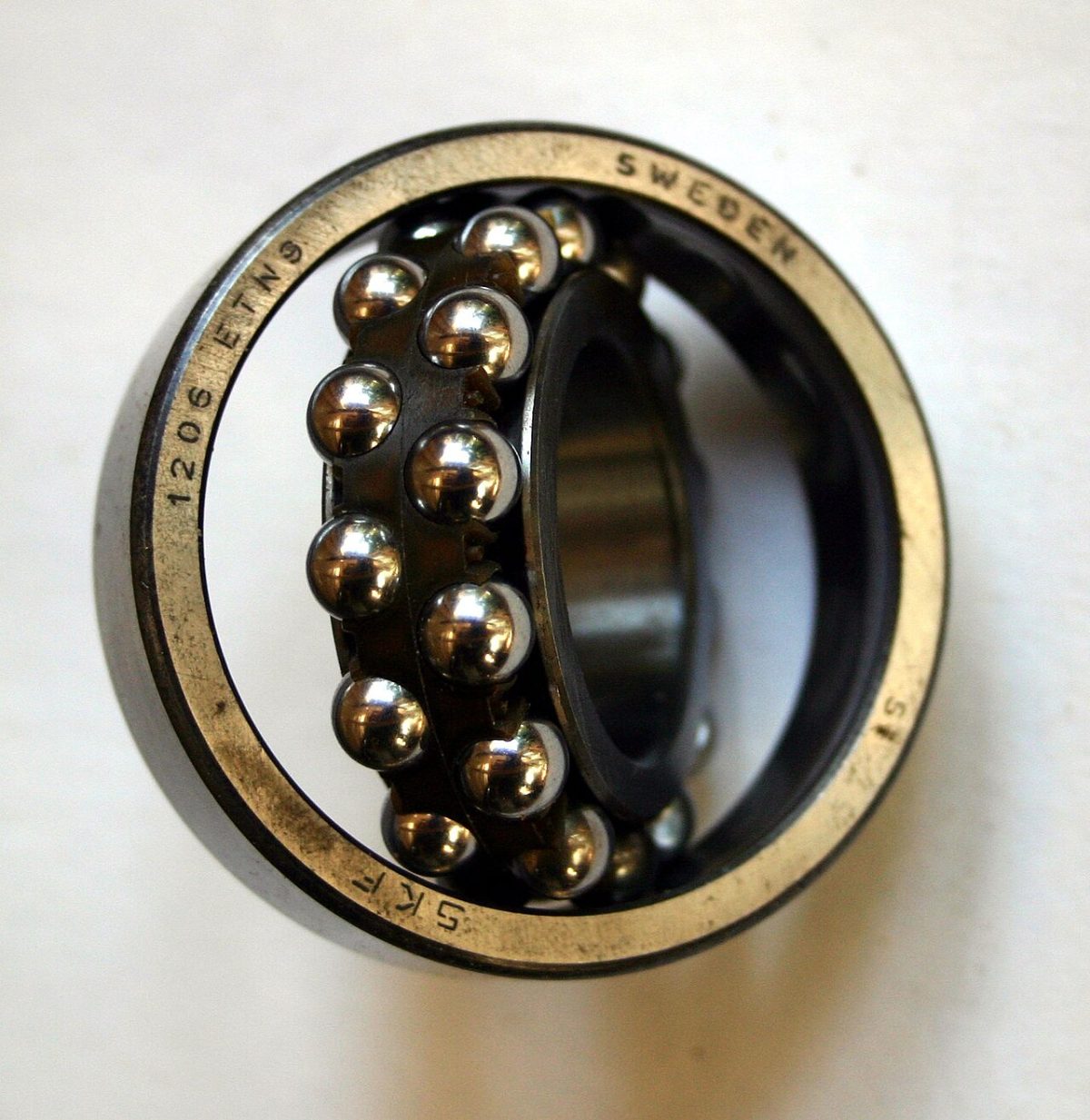
- SKF was founded in 1907 in Gothenburg, Sweden, by engineer Sven Wingquist, who invented the self-aligning ball bearing, a revolutionary product that solved major issues with shaft misalignment and friction in machinery. This made SKF a global leader in bearings very quickly, and by the 1910s, they were supplying bearings to the rapidly growing automotive industry worldwide.
- Around 1914-1915, SKF spotted huge potential in the emerging car market (not just for supplying bearings, but possibly expanding into related products). They registered the trademark “Volvo” (Latin for “I roll”) on February 20, 1915 (officially processed and approved around June 1915 in some accounts). The name was initially intended for a new series of ball bearings specifically designed for automotive use: simple, strong, memorable, and internationally pronounceable. It was stamped on bearings and meant to evoke smooth, reliable rolling motion.
- The automotive bearing idea didn’t take off as planned (SKF eventually stuck with its initials for branding most products), so the “Volvo” trademark was shelved for about a decade, literally put in a desk drawer.
From Trademark to Car Company Subsidiary (1920s)
- By the mid-1920s, two SKF executives saw an opportunity to go beyond bearings:
- Assar Gabrielsson (SKF’s sales manager, a former egg importer who rose through the ranks) and
- Gustaf Larson (a skilled mechanical engineer also at SKF).
- They convinced SKF’s management that Sweden needed its own robust car brand—imported vehicles (mostly American) weren’t built for the country’s harsh winters, rough gravel roads, and remote terrain.
- In August 1926, SKF formally agreed to fund and support the project. They revived the dormant “Volvo” trademark and established AB Volvo as a wholly owned subsidiary within the SKF group.
- SKF provided the initial capital, engineering resources, and even the factory space on Hisingen island in Gothenburg (an area SKF already controlled).
- The goal was pragmatic: produce durable Swedish cars that could use SKF bearings extensively, while diversifying SKF’s business into a high-growth sector.
Launch and Early Years as SKF’s Subsidiary
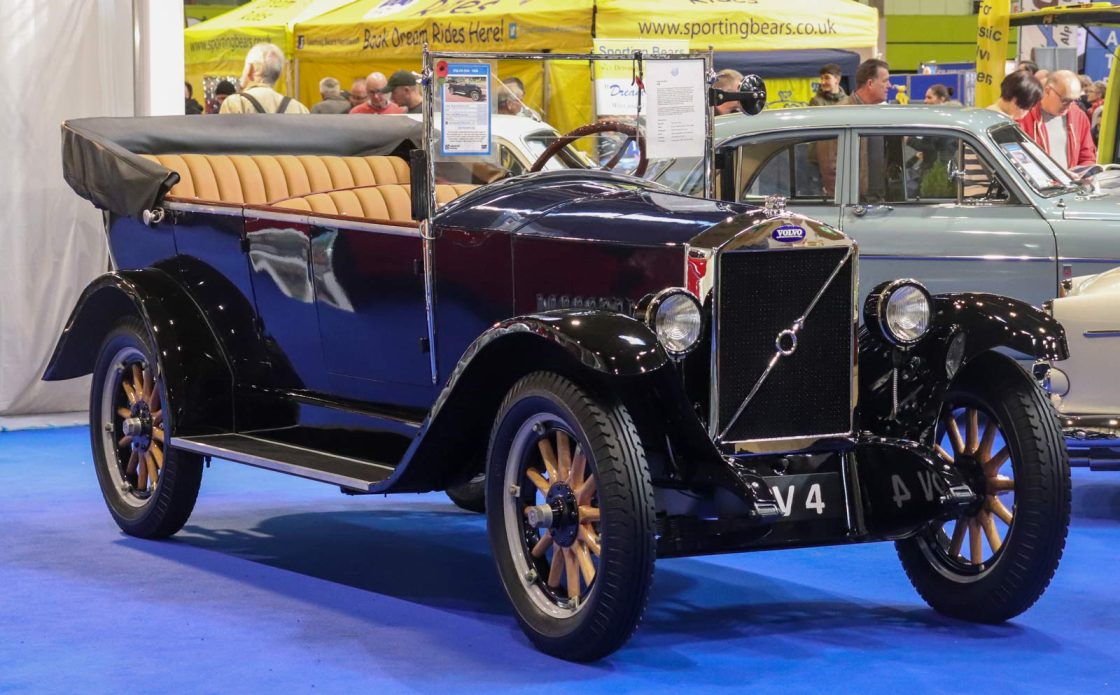
- After building 10 prototypes in 1926-1927, the first production Volvo, the open-top ÖV4 (nicknamed “Jakob”), rolled off the line on April 14, 1927. It was a sturdy, wood-framed tourer designed specifically for Swedish conditions.
- SKF fully backed the first 1,000 cars (a significant commitment at the time). The subsidiary operated under SKF’s umbrella for nearly a decade, benefiting from the parent’s financial stability, supply chain (bearings, obviously), and industrial know-how.
- By the early 1930s, Volvo expanded quickly into trucks, buses, and profitability, turning a profit within just a few years.
Separation and Independence
- In 1935, AB Volvo was listed on the Stockholm Stock Exchange. SKF sold off most (or a large portion) of its shares, allowing Volvo to become an independent public company.
- This spin-off was strategic: SKF refocused on its core bearing business (which it still dominates today), while Volvo pursued automotive growth independently.
- Interestingly, the two companies remained loosely connected for decades through shared Swedish industrial roots and occasional business ties (e.g., SKF continued supplying bearings to Volvo), but they diverged completely in ownership and direction.


