Volvo Cars North America experienced a nuanced 2024 in terms of sales, reflecting both the broader automotive industry trends and specific market dynamics affecting the brand. The year’s performance was characterized by a mix of growth in electrified vehicle sales and challenges in the overall market share for traditional combustion engines.
Overall Sales Performance: Volvo Car USA and Canada reported sales of 138,647 cars for the full year of 2024, marking a slight decrease of 2.1% compared to the previous year. This dip in sales can be attributed to several factors, including high interest rates impacting consumer purchasing decisions and the anticipation of new model launches which might have deferred some sales to 2025. Despite the overall decline, the company managed to navigate through a volatile market environment, maintaining a significant presence in the luxury car segment.
Electrification Drive: A key highlight of Volvo’s 2024 performance in North America was the significant push towards electrification. Electrified models, including both fully electric and plug-in hybrid vehicles, accounted for 35.4% of the sales, a notable increase of 22.3% over last year’s figures. This growth underscores Volvo’s commitment to its electrification strategy, with models like the XC40 Recharge, C40 Recharge, and the introduction of the new EX30 leading the charge. However, the US market saw a mixed performance; while electrified sales increased by 20.3%, the total number of cars sold in the US decreased by 2.7%, reflecting challenges in transitioning consumers to electric vehicles amidst market uncertainties.
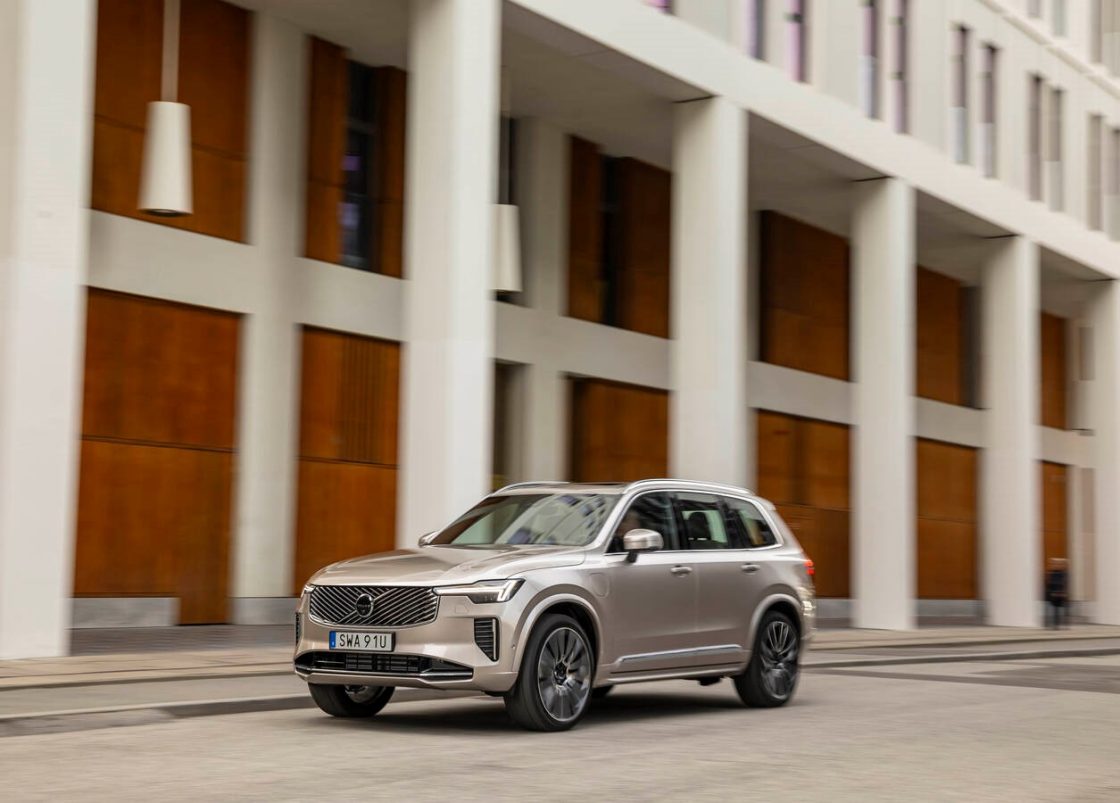
Model-Specific Performance: Among the models, the XC60 compact luxury SUV retained its position as a top seller in the US with a record-setting 5,245 cars sold in December alone, followed by the XC90 and the XC40. These models have been pivotal in maintaining Volvo’s footprint in the North American market, especially in the SUV and crossover segments which continue to be popular among consumers. However, the delay in the production ramp-up of the EX30 and EX90 models was a noted pain point, affecting potential sales growth in the electric vehicle category.
Market Dynamics: The broader market dynamics in North America for 2024 showed a cautious approach from consumers, influenced by economic factors such as rising interest rates and economic uncertainty. This environment created a challenging landscape for all automakers, including Volvo. The company’s strategy to focus on electrification seemed to pay dividends in terms of percentage growth in electrified sales, but the overall sales figures were impacted by these external economic conditions. Additionally, the competitive landscape in the luxury segment intensified, with brands like Hyundai, Kia, and Volkswagen showing varying degrees of success in their electric vehicle offerings, which might have influenced Volvo’s market share dynamics.
Regional Variations: In Canada, Volvo set a new annual sales record with 13,404 cars sold, up by 4.2% compared to the previous year. Here, electrified models took a significant share, accounting for 46.1% of sales, up by 38.2%. This performance in Canada contrasts with the US, where despite growth in electrified options, traditional car sales experienced a decline. This regional variation highlights differing consumer behaviors and market conditions across North America.
Looking Ahead: Volvo’s outlook for 2025 includes plans to further increase the electrification of its lineup, with ambitions to ramp up production of the EX30 and EX90 in North America. The company’s strategy appears to be geared towards capturing a larger share of the growing electric vehicle market, although this will depend on managing supply chain challenges and consumer adoption rates of electric vehicles in a still uncertain economic climate.