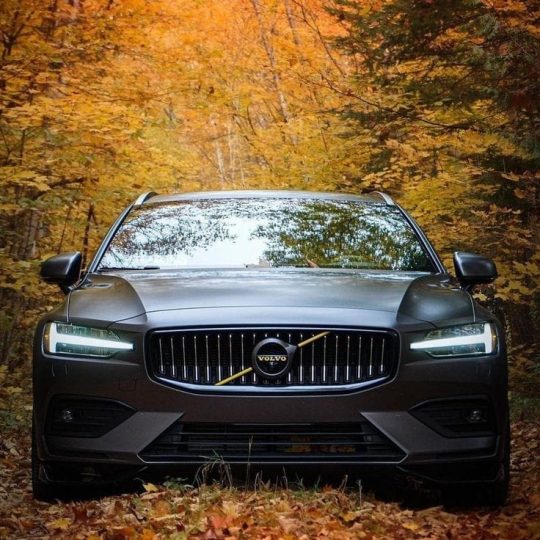
HID systems do not require a filament to make light, as 85,000 volt igniters take care of creating an electric arc between two ends where a filament would be in a normal bulb. so there are less components to stress. It does take 80-85 volts to keep the arc lit, which is not readily available in a normal 12V system of a Volvo. That is why there are other components to the system. It is not a mere bulb upgrade.
How to Install Xenon HID Headlights in your Volvo
Just though I’d share my experience using an H7 Halogen to HID Conversion kit I used on my 2001 s60 2.4T. I’ve been using this forum for information since I’ve gotten my first Volvo (a fun 740 Turbo), and I thought it was time I contributed my own “guides” for I was, more than once, “lost”, and found salvation in these forums.
There are a dozens of HID kits sold on eBay and on online stores. Of course, on eBay, its a hit or miss. But you can be successful if you use eBay common sense. When buying on eBay, buy from high positive feedback sellers. Stay away from low feedback score / new sellers (less than 50) or from sellers who may have 10000’s of feedback, but abundant negative feedbacks. Make sure the kit you are buying is complete (2 Xenon HID bulbs, 2 ballasts, 2 sets of wirings). You are supposed to be looking for H7 HID Conversion Kits. There are auctions for bulbs only, so read the description well. Also, it would be great if they have clauses that allow you to return the product should it fail out of the box.
In theory, HID systems last a lot longer than halogen systems because the latter technology involves a filament (tungsten) which degrade over time as current is passed through it.
Also, HID systems use less power at 35W each. Halogen bulbs use 55W each. There is a small modification you need to do if you want to get rid of the Dipped Beam Failure warning on the dash when you put in the HID lights. The CEM thinks the bulbs are failing because it is drawing less power than the original halogens. The guide is here… http://www.xenonvalot.com/xenonfixvolvo.html and it involves drilling a 2mm hole onto a resistor on pin 3 second groove. This might scare you, but I’ve tried it, and it isn’t as difficult as it seems. I did not even have a drill that small to begin with. But with a set of precision screw drivers, and some patience, I was able to make a hole about 2mm where needed, and the warning light went away. The hole creates a change in resistance on the resistor module, and tricks the system that the lights are using more power. If the HID’s fail completely, the Dipped Beam Failure warning is still triggered. I’ve tried the procedure, and it works. Remember, this upgrade is only to get rid of the warning, and is not required. The HID’s still work with the warning light on. So do it only if the warning bothers you. It is not required.
The difference between halogens (even the blue/white high end xenon filled bulbs) and true HID’s system are night and day. The overall nightime driving safety is phenomenal. I got my kit for about $167.00, so it really helps to do your research who has the best deals. The price varies from $200-$400. Mine was out of sheer luck, and maybe you can be lucky on eBay too.
Putting them on is pretty straighforward. You do need a 1-inch hole on the back of the screw-on cover. That the hardest part. A 1-inch wood drilling bit works best ($4 at home depot) because you’ll be drilling through pretty soft ABS black plastic. The hole is for the waterproof rubber gasket where the wires go through. This guarantees that the system remain unaffected by rain. The rest of the wiring procedure is easy, and will take about 15-20mins on each side. Its all about routing the wiring away from moving parts, and finding a spot to rest the ballast. In an s60 engine bay, it is quite crowded. But there is enough space behind the headlights for any HID ballast module, which is usually (nowadays) about the size of a pack of cigarettes or maybe a tad bigger. I figured, there is nowhere to screw it onto. Just use snap ties or something similar. Just make sure the ballast is not knocked around loose, and that the wirings do not touch anything that moves (like belts and fans). NEVER TOUCH THE BULB WITH BARE HANDS. Do this, and your bulb will crack when you turn it on. These bulbs get extremely hot when they’re lit, so any amount of skin oil on the surface of the glass can boil and crack the glass. You do not need to remove the headlight housing/glass when putting the lights on, unless you have extremely big hands and they do not fit the space behind the headlights. TIP: to put on the HID bulb with all the wiring sticking out of it, it helps to remove the retaining spring completely (take off completely), put the bulb in, then put back the retaining spring. If you just unlock the pin, and swing it on the hinge, you cannot lock it with the wires on the way, thus the advise to removing the spring completely before proceeding.
Subscribe to the MVS Newsletter
The MVS Volvo Newsletter is a once-a-month email delivered to your email. It’s simple to unsubscribe at any time if you change your mind.
Visit The Official Volvo Cars Website
Last Updated on May 12, 2021