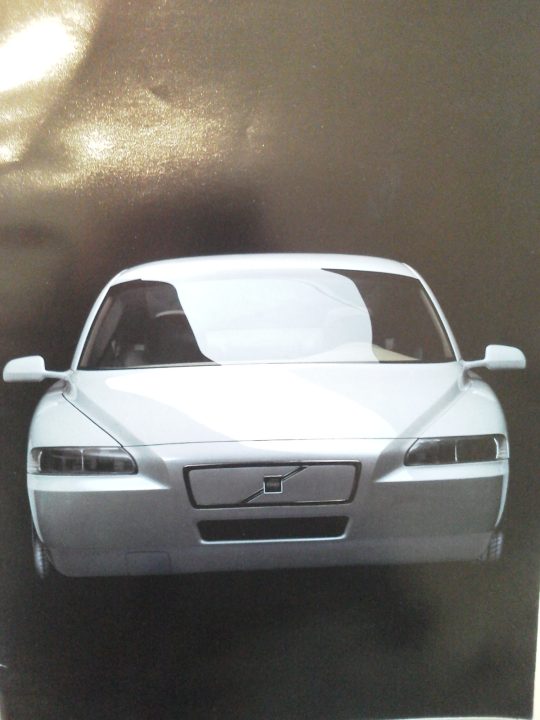
In the early 1980s, amid rising fuel prices, growing environmental awareness, and rapid technological progress, Volvo embarked on an ambitious research project that challenged conventional automotive thinking. The LCP 2000, short for Light Component Project 2000, was unveiled in 1983 as a forward-looking concept aimed squarely at the turn of the millennium. It sought to demonstrate how extreme weight reduction, advanced materials, and alternative powertrains could deliver remarkable fuel efficiency while maintaining Volvo’s core emphasis on safety and practicality.
The project originated in the late 1970s, influenced by earlier Volvo studies into electric vehicles and ultralight designs. Engineers set aggressive targets:
- the car must seat at least two people comfortably
- weigh no more than 1540 lbs (700 kg) weight
- get 58 mpg in combined driving
These goals were extraordinarily ambitious for the era, when the average passenger car weighed significantly more and sipped fuel at higher rates, though economy cars of the era like Chevrolet Chevette (1840 lbs) could weigh little more than this. Four prototypes were ultimately constructed, each with subtle technical variations to test different ideas in materials, styling, and propulsion.
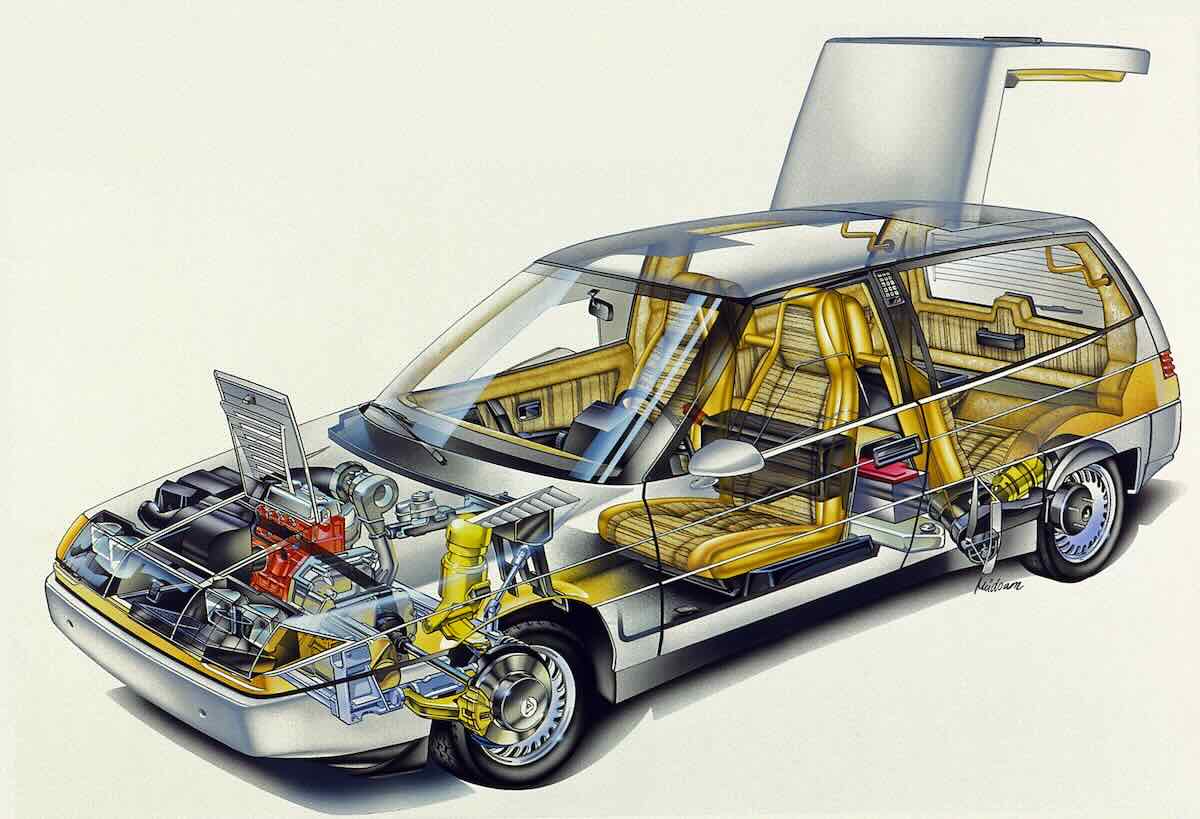
At its heart, the LCP 2000 was a study in lightweight construction. The body incorporated extensive use of plastics, aluminum, and magnesium. Carbon fiber reinforced certain structural elements, such as door beams, while the overall design minimized traditional steel. Volvo claimed that only around 150 kg of conventional materials were used in the entire vehicle. This modular approach not only slashed weight but also considered future recyclability and material availability, priorities that feel remarkably contemporary today. The aerodynamic shape helped achieve a drag coefficient as low as 0.25 to 0.28, contributing to impressive highway efficiency. For reference, the P3 S60 had a cd of .28.The finished prototypes tipped the scales at approximately 707 kg.
Power came from innovative, downsized three-cylinder turbodiesel engines developed specifically for the project. One variant was a lightweight 1.3-liter magnesium-block unit producing around 50-53 hp, engineered in collaboration with British diesel specialists. Its ultra-low mass helped meet the overall weight target. The second option was a more powerful 1.4-liter cast-iron Elsbett (ELKO) engine rated at about 90 hp. This heat-insulated design lacked a traditional cooling jacket in the cylinder head and used engine oil as coolant instead. Remarkably versatile, it could run on a wide variety of fuels, including low-octane gasoline, rapeseed oil, and other biodiesels. Drivers sometimes noted a distinctive “fish and chips” aroma when the vegetable-oil-powered version was running.
Drive was sent to the front wheels through either a five-speed manual transmission or an electronically controlled continuously variable transmission (CVT), technology Volvo had acquired earlier. Performance figures were respectable for such an efficient machine: 0-60 mph in around 11 seconds and a top speed near 110 mph. EPA-equivalent estimates suggested up to 56 mpg in city driving and 81 mpg on the highway for the lighter configurations—numbers that would still impress in many modern hybrids.
Visually, the LCP 2000 presented a distinctive wedge-shaped profile with a tall rear end and a plastic tailgate that doubled as a hatch. It resembled a compact three-door hatchback or small station wagon, prioritizing interior space efficiency for its two-to-four passenger capacity. The upright stance and thoughtful packaging maximized utility despite the diminutive footprint. Safety considerations remained paramount; even in this experimental platform, Volvo engineers paid close attention to structural integrity and crashworthiness using the novel materials.
The LCP 2000 was never intended for series production. Instead, it served as a rolling laboratory to explore technologies that could trickle down into future Volvo models. Lessons learned about lightweight composites, alternative fuels, and efficient small-displacement engines informed later developments in vehicle architecture and powertrain design.
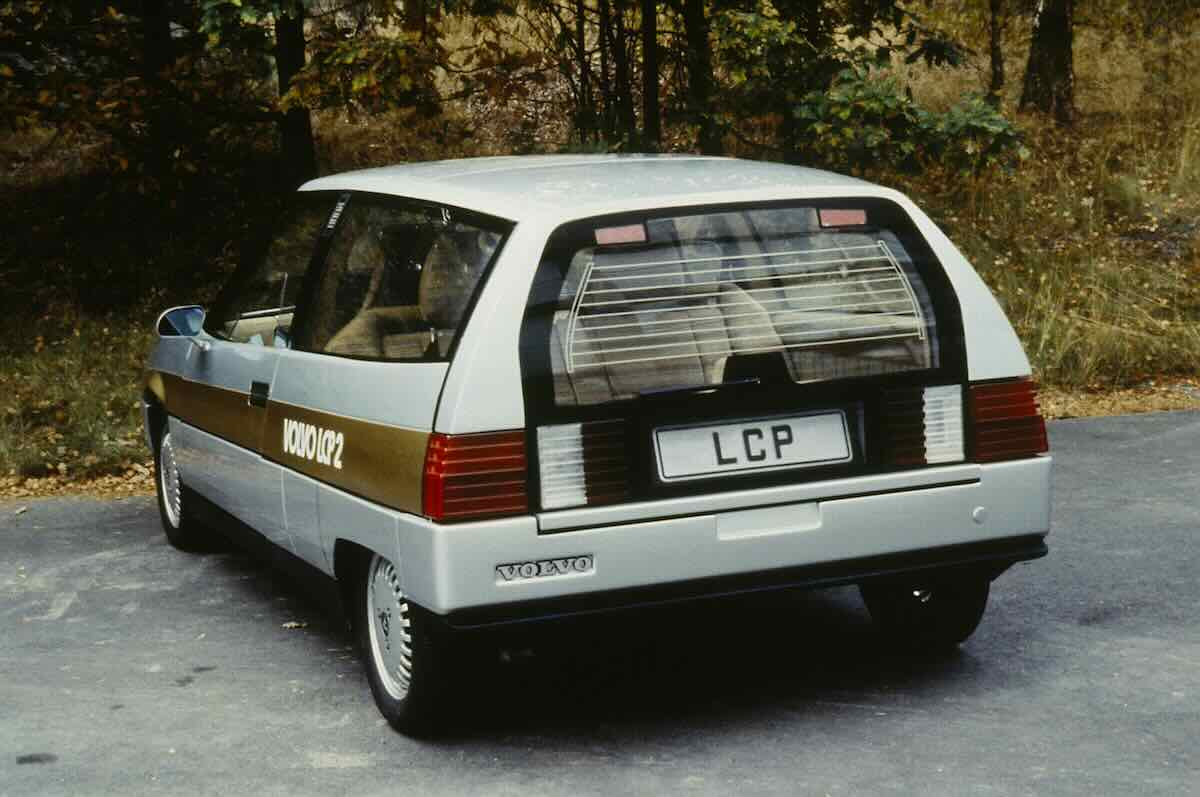
Today, the LCP 2000 stands as a fascinating artifact of 1980s futurism. It anticipated many trends that define modern automotive engineering: stringent emissions standards, widespread adoption of aluminum and composites in mass-market cars, interest in biofuels and synthetic fuels, and the pursuit of ever-lower curb weights for efficiency and handling. In a time of concern over carbon footprints and resource scarcity, its emphasis on sustainability through material innovation feels prescient.While the specific targets of sub-1540 lbs (700 kg) weight and better than 58.8 MPG(4 L/100 km) in a practical commuter car proved challenging to commercialize fully at the time, the project underscored Volvo’s long-term commitment to environmental responsibility alongside safety. Several of the prototypes survive in collections and museums, occasionally displayed to illustrate the brand’s heritage of innovation.
The LCP 2000 reminds us that groundbreaking ideas often emerge not from market demands alone, but from internal research. In 1983, it painted a picture of efficient, responsible mobility for the year 2000. Volvo’s experiment proved that reimagining the fundamentals of car design could yield extraordinary results, even if the path to production was longer than anticipated.
One of the four LCP 2000 cars built can be seen at the Volvo Museum in Gothenburg, Sweden.