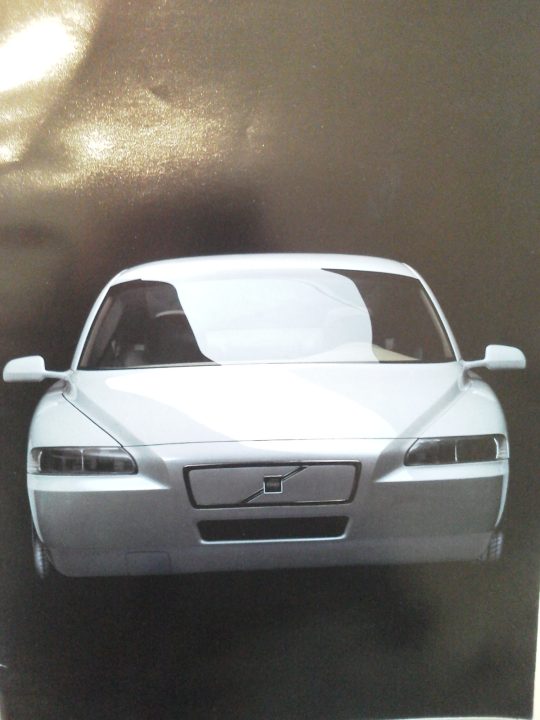
In the spring of 2004, a sleek silver coupe rolled onto the floor of the Geneva Motor Show and quietly upended a few assumptions about who cars are really built for. It wasn’t the wildest concept on display, but the Volvo YCC, short for “Your Concept Car,” carried something more radical under its skin: it had been designed, engineered, and green-lit from start to finish by an all-women team. The message was simple yet revolutionary for the time: build a car that truly satisfies women, and you’ll probably delight everyone else too.
The YCC arrived two years after the Volvo ACC2 concept car, but they were very different. The YCC was designed as a more radical showcase, while the ACC2 was born into its much larger, existing wagon P2 body/chassis, though they did share the same Volvo 5-cylinder powerplant.
The story began in the autumn of 2001. Volvo had noticed that women already made up more than half of its buyers in the United States and that the number was climbing fast in Europe. During a workshop, American consumer expert Marti Barletta dropped a provocative line: “If you meet the expectations of women, you exceed the expectations of men.”
A small group of female employees at Volvo—engineers, designers, and project managers—took that idea and ran with it. By June 2002 they had pitched an all-female decision-making team to then-president Hans-Olov Olsson. He gave the go-ahead in December, and nine women stepped into the spotlight: project managers Camilla Palmertz and Eva-Lisa Andersson, design director Maria Widell Christiansen, exterior designer Anna Rosén, interior designer Cynthia Charwick, color-and-trim specialist Maria Uggla, technical manager Lena Ekelund, Elna Holmberg, and communications lead Tatiana Butovitsch Temm. Every major call, from powertrain choice to seat fabric, belonged to them.

The result was a two-plus-two sports coupe that looked deceptively conventional at first glance. Low and purposeful, it sat on a front-wheel-drive chassis powered by a 2.5-liter five-cylinder gasoline engine producing 215 horsepower. The engine was a Partial Zero Emissions Vehicle (PZEV) unit already headed for California’s tough regulations, paired with an innovative Integrated Starter-Generator (ISG) that killed the motor at stops and restarted it seamlessly—an early form of stop-start technology. Power went through a six-speed Powershift dual-clutch transmission that could be left in full automatic or flicked manually via steering-column paddles. Run-flat tires, dent-resistant bumpers, and body cladding rounded out the low-maintenance ethos.
But the real story lived in the details that most concept cars ignore. There was no traditional hood. The entire front body section lifted off in a service bay, because the team figured most owners never wanted to peer under it anyway. Oil changes were scheduled for every 50,000 kilometers (31,100 miles), and the car could radio a dealership when service was due. Gasoline and washer-fluid fillers were capless ball valves tucked neatly beside the driver’s door… tiny conveniences born from focus groups where women complained about dirty hands and lost caps. The paint carried a dirt- and water-repellent coating so the car stayed showroom-fresh with a simple rinse.
YCC Interior
Inside, the cabin felt more like a stylish living room than a cockpit. Seat covers and carpets were fully removable and washable, offered in eight different fabric combinations—leather, linen, wool bouclé, even embroidered accents—so owners could refresh the look without buying a new car. Headrests featured a subtle notch to accommodate ponytails. The traditional center console shifter and handbrake had disappeared; gear selection moved to the steering column and the parking brake went electronic.

That freed the entire console for deep storage bins, a slide-out cooler, a wastebasket, and slots perfectly sized for laptops and handbags.Visibility and ease of entry were obsessions. The YCC’s Ergovision (ergonomics plus optimum line of vision) system scanned a buyer’s body proportions at the dealership, stored the data on a personal key, and automatically adjusted the seat, steering wheel, pedals, head restraint, and even the seatbelt the moment the key docked. Gull-wing doors with power assist swung up and out, while the sills dropped and the car raised itself slightly on its adjustable suspension for easier step-in. Once inside, the rear seats folded cinema-style against the front seats, creating a flat load floor without opening the hatch—perfect for grocery runs or gym bags. Parallel parking? A two-stage system checked the space then steered the car in while the driver handled throttle and brake. The team even extended the rear glass all the way to the corners so drivers could see exactly where the car ended.
So What Was the YCC?
Critics sometimes called the YCC a “car for women,” as if that diminished it. The team never saw it that way. They wanted performance, prestige, and style, the things men already expected, plus the practical touches that made daily life smoother. Good sight lines, effortless storage, minimal garage time. As Camilla Palmertz put it, they were targeting “the most demanding premium customer: the independent, professional woman.” Yet Olsson was right when he predicted men would love it too.
The YCC never reached production, and Volvo never intended it to. It was a rolling laboratory, a one-off showcase meant to test ideas and spark conversation. Some features like removable seat covers, capless fillers, advanced storage, personalized seating memory was echoed in later models. The broader legacy is harder to pin down.
Two decades later, the silver coupe still looks surprisingly modern at its home at the World of Volvo in Gothenburg, Sweden. Its clean lines and thoughtful interior have aged better than many 2004 concepts.
YCC Photos


Download the YCC press kit