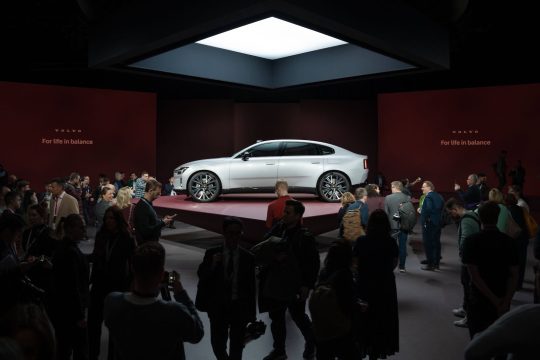
The Volvo ES90 is an upcoming $70k fully electric sedan from Volvo, set to be officially revealed on March 5, 2025, in Stockholm, Sweden. Positioned as a premium midsize luxury sedan, it represents Volvo’s continued push toward electrification — despite their recent 2030 setback — and is expected to serve as the electric successor or complement to the current S90, which is available as a mild hybrid or plug-in hybrid. The ES90 is designed to embody Volvo’s core values of safety, sustainability, and Scandinavian design while introducing advanced technology to enhance the driving experience.
As EVs become more ubiquitous, computational power becomes very important, which I feel is worthy of substantial coverage. Unsurprisingly, Volvo has made the ES90 its most powerful car ever in terms of core computing capacity. It is the first model to feature a dual NVIDIA DRIVE AGX Orin (not Snapdragon like current Volvos, interestingly) configuration, capable of 508 trillion operations per second (TOPS). This supports advanced AI-based safety features, sensor management (including lidar, radars, cameras, and ultrasonic sensors), and efficient battery operation. The system also enables an advanced driver-monitoring system, though specific details about this feature are still forthcoming.


Key Features and Specifications
- Electric Powertrain and Platform: The ES90 is built on Volvo’s SPA2 (Scalable Product Architecture) platform, the same foundation used for the EX90 electric SUV. It is expected to feature a 111-kWh battery pack (with approximately 107 kWh usable), similar to the EX90. This battery could deliver a range of at least 300 miles, potentially more due to the sedan’s sleeker aerodynamics compared to the SUV. The ES90 will likely offer both single-motor rear-wheel-drive and dual-motor all-wheel-drive configurations, with the dual-motor version possibly producing up to 510 horsepower and 671 pound-feet of torque, mirroring the EX90’s top performance specs.
- Charging Capabilities: Like other SPA2-based vehicles, the ES90 is expected to support fast charging at up to 250 kW, allowing a 10% to 80% charge in about 30 minutes under ideal conditions. It may also include bidirectional charging, enabling it to power external devices or even feed energy back to the grid.
- Software-Defined Vehicle: The ES90 is built on Volvo’s Superset tech stack, a modular hardware and software framework that underpins all future electric Volvo models. This approach allows the car to evolve over time through over-the-air (OTA) updates, improving safety, connectivity, and performance features like battery range. Updates developed for the ES90 will also benefit other models like the EX90, and vice versa, ensuring continuous enhancement throughout its lifecycle.
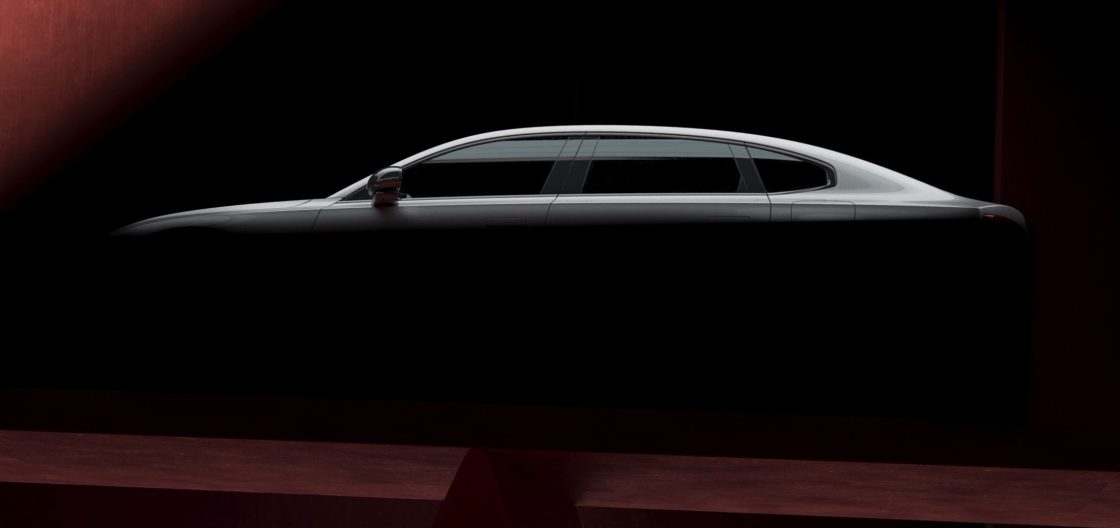
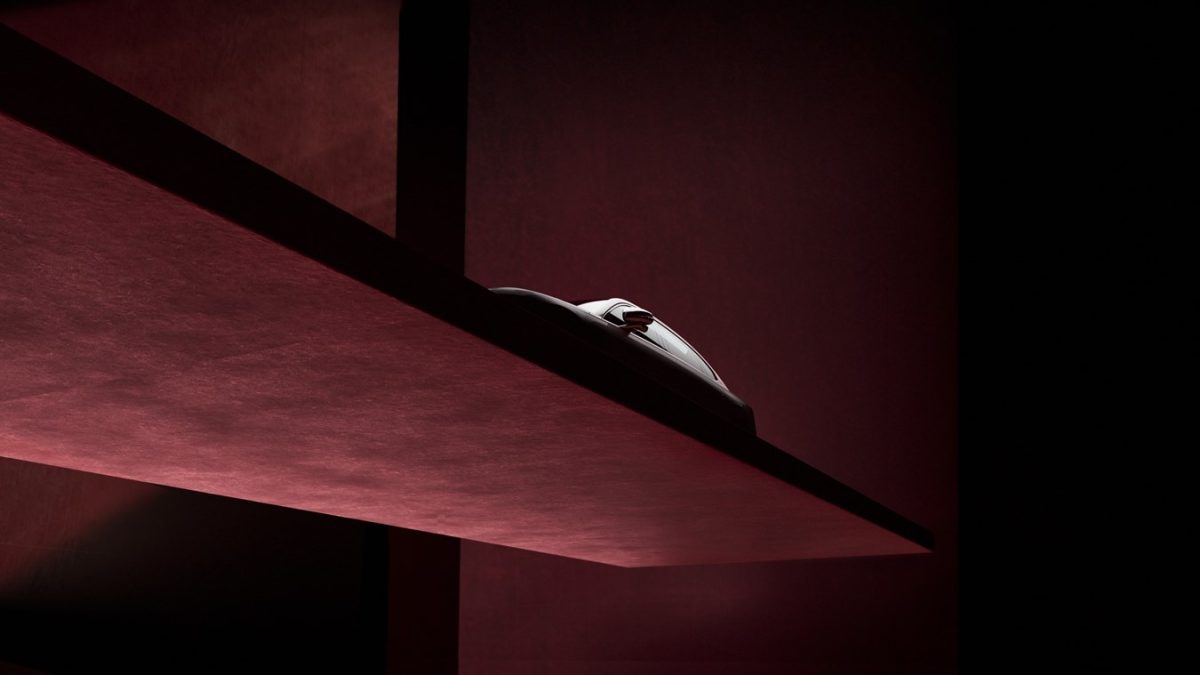
- Design and Dimensions: While official images are limited to teasers showing a shrouded silhouette, the ES90 is expected to retain Volvo’s minimalist Scandinavian aesthetic with a modern twist. It reportedly measures about 196.5 inches in length with a 122-inch wheelbase, making it slightly shorter but with a longer wheelbase than the current S90. It’s also said to be taller and wider, suggesting a roomier interior. The teaser indicates a distinctive windshield rake and a high-deck, short trunk design, differing from Volvo’s existing gas-powered sedans.
- Safety and Technology: ES90 will incorporate cutting-edge safety features, leveraging its sensor suite (including lidar) and AI capabilities to detect and respond to potential hazards. Inside, it’s expected to feature a large 14.5-inch tablet-style center display with Google integration, alongside a driver-focused interface, consistent with other recent Volvo EVs.
Volvo describes the ES90 as a “next-generation premium car designed for a life in balance,” aiming to provide a safe, comfortable, and enjoyable driving experience. It’s positioned as a flagship sedan in Volvo’s electric lineup, likely competing with vehicles like the Tesla Model S, BMW i5, and Mercedes-Benz EQE. Priced estimates suggest a starting point around $70,000, with higher trims reaching up to $82,000, placing it below the EX90 SUV but still in the premium segment.
Production and Availability
Production is slated to occur at Volvo’s facility in China, with initial prototypes already built as early as 2024. Following its March 2025 debut, the ES90 is expected to arrive in showrooms later in 2025 or early 2026 as a 2026 model year vehicle, depending on the market.
Building the ES90 in China was probably a bad idea in retrospect, given the current economic war between the US and China, but there’s not much Volvo can do about that now. Setting up a domestic automobile line takes about two years, minimum.