


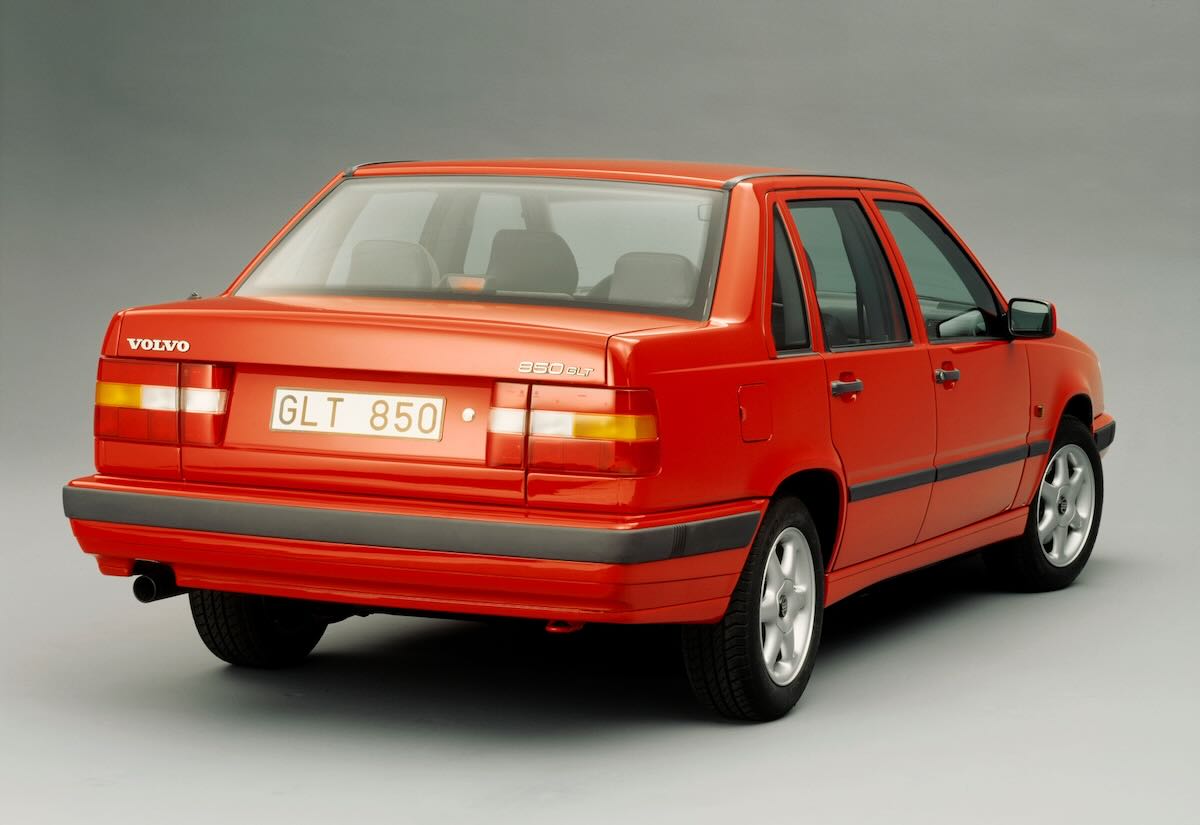
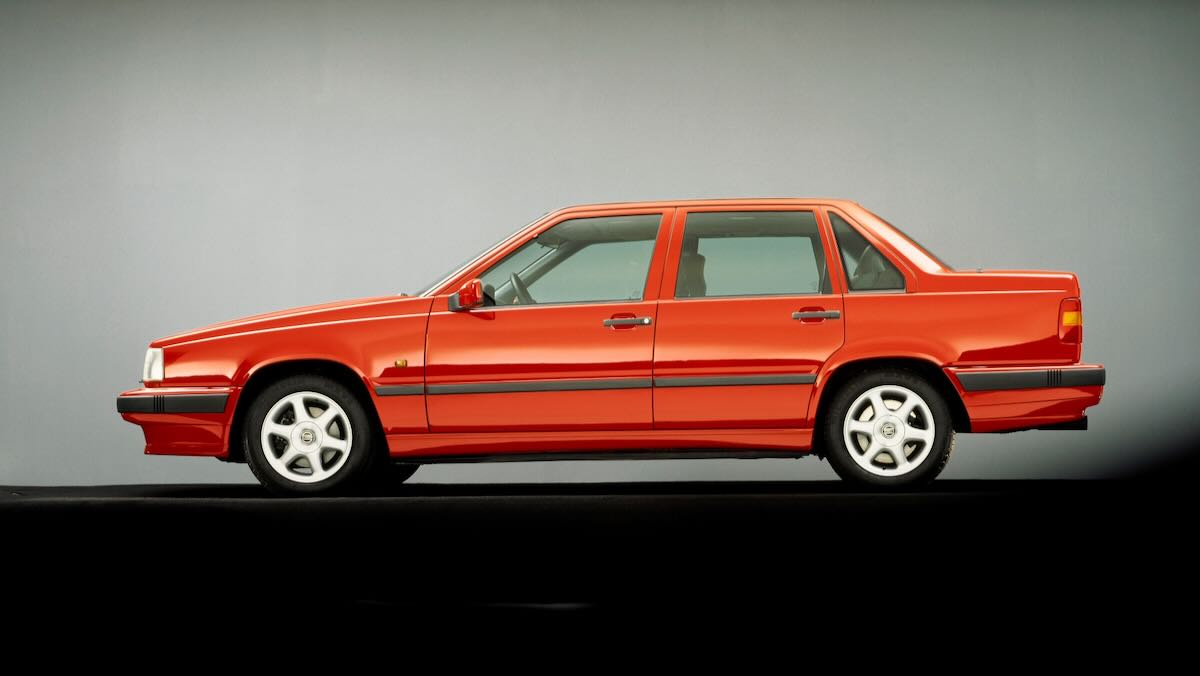
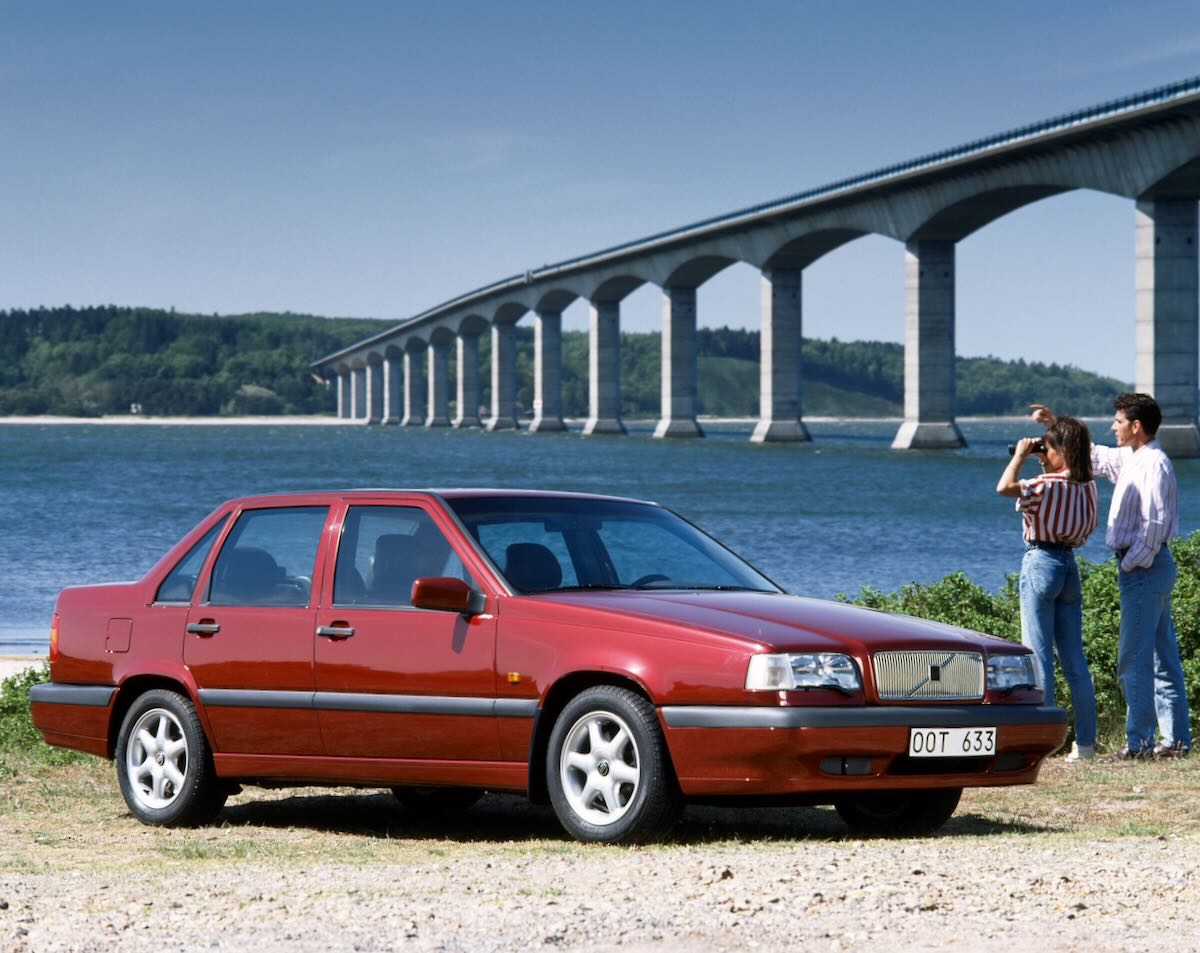
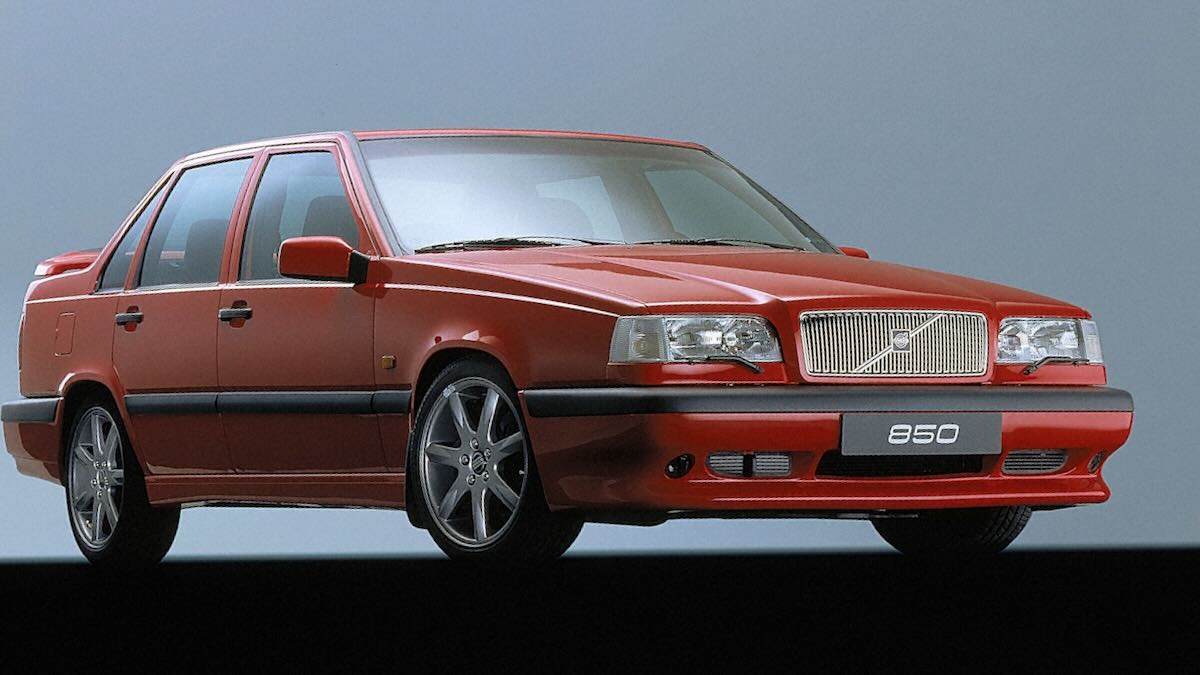
Volvo’s 850, first introduced in 1992, is legendary for its list of firsts, and set the stage for many of Volvo’s subsequent vehicles with a front-wheel-drive/5-cylinder transverse engine format. It was the result of the Galaxy project, which got its name because… it was aiming for the stars [groan]. The 850 was the first car from Volvo available with AWD.
The 850 was the company’s first foray into front-wheel drive in the US. With the 850, Volvo introduced side impact airbags to the world. On top of all that, Volvo’s first dip into high performance vehicles came with the T-5R 850 in 1995.

Volvo 850 History
In model year 1992 (1993 for North American markets), Volvo replaced the aging 700-series and 240 with the all-new 850. This was a car of firsts — a bit of a gamble for Volvo — and this offering broke new ground for both Volvo as well as the auto industry at large. It was the company’s first to feature their legendary 5-cylinder engine.
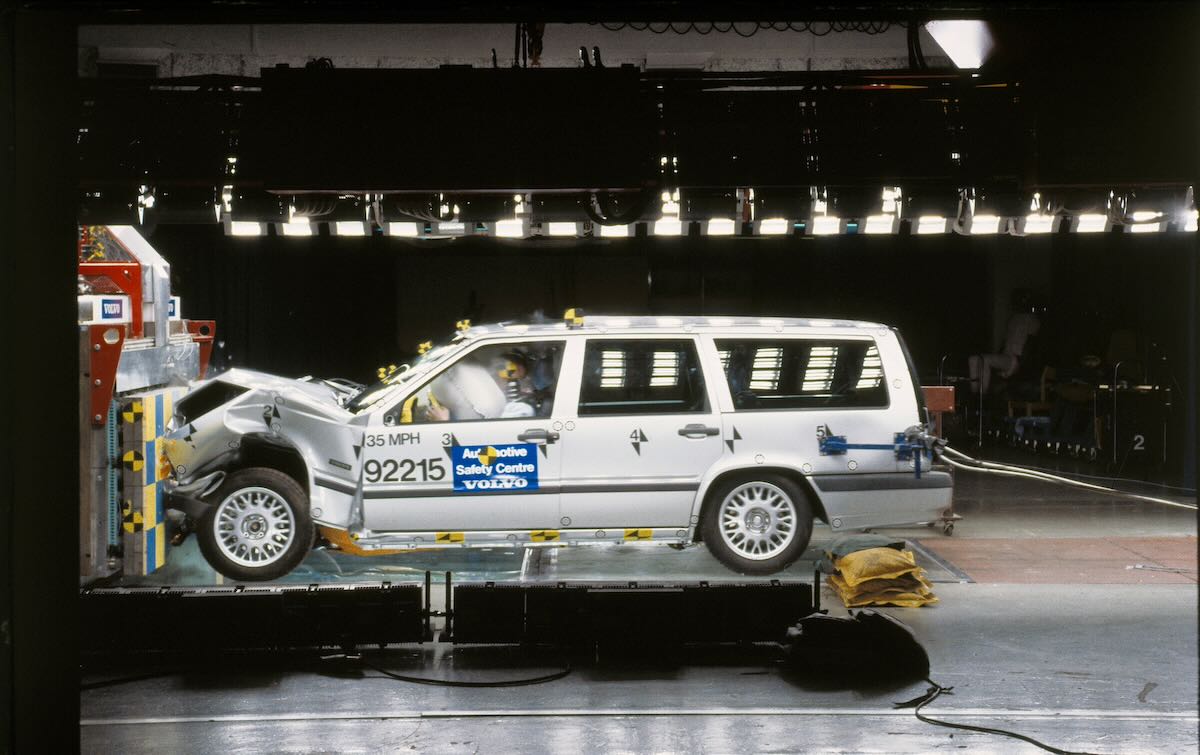
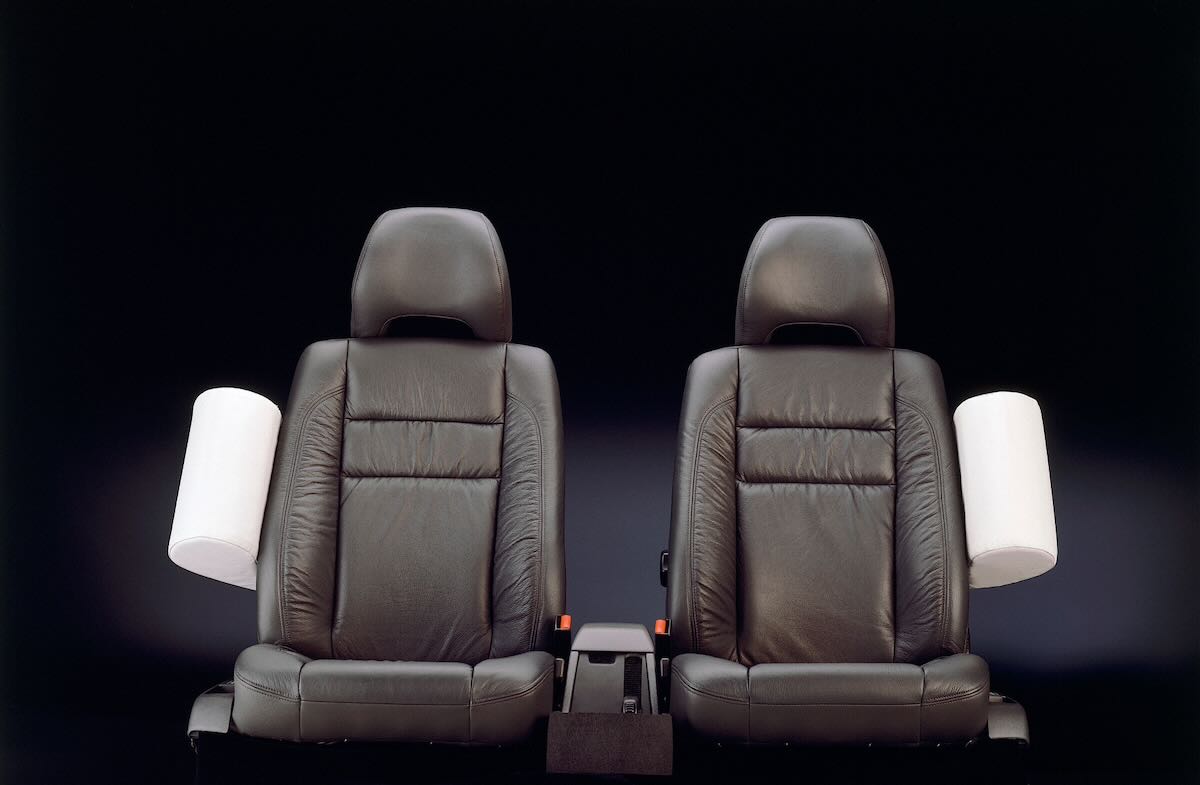
Not only that, beginning with the 850, Volvo was the first auto manufacturer to add side airbags for additional safety. The side airbags were part of Volvo’s new Side Impact Protection System (SIPS example from a member) that included not only the airbags but reinforced pillars and a latticed honeycomb structure inside the doors to spread impact forces across a greater area. Volvo has equipped every vehicle they’ve manufactured with SIPS since its introduction in model year 1992.
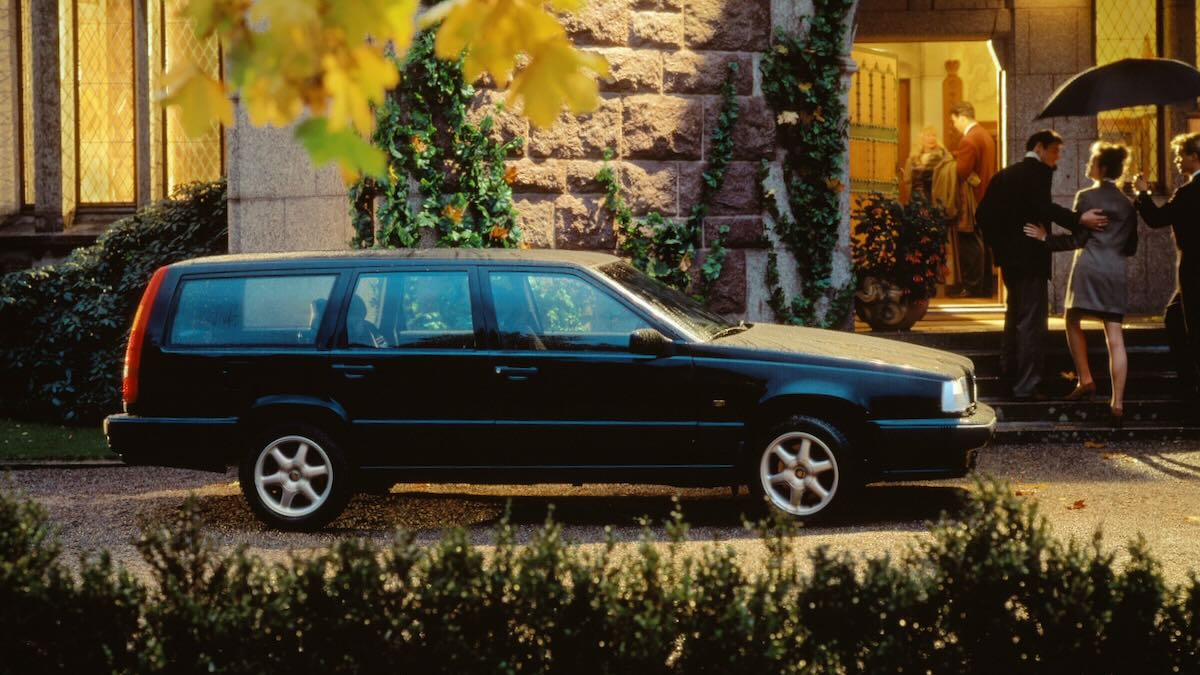
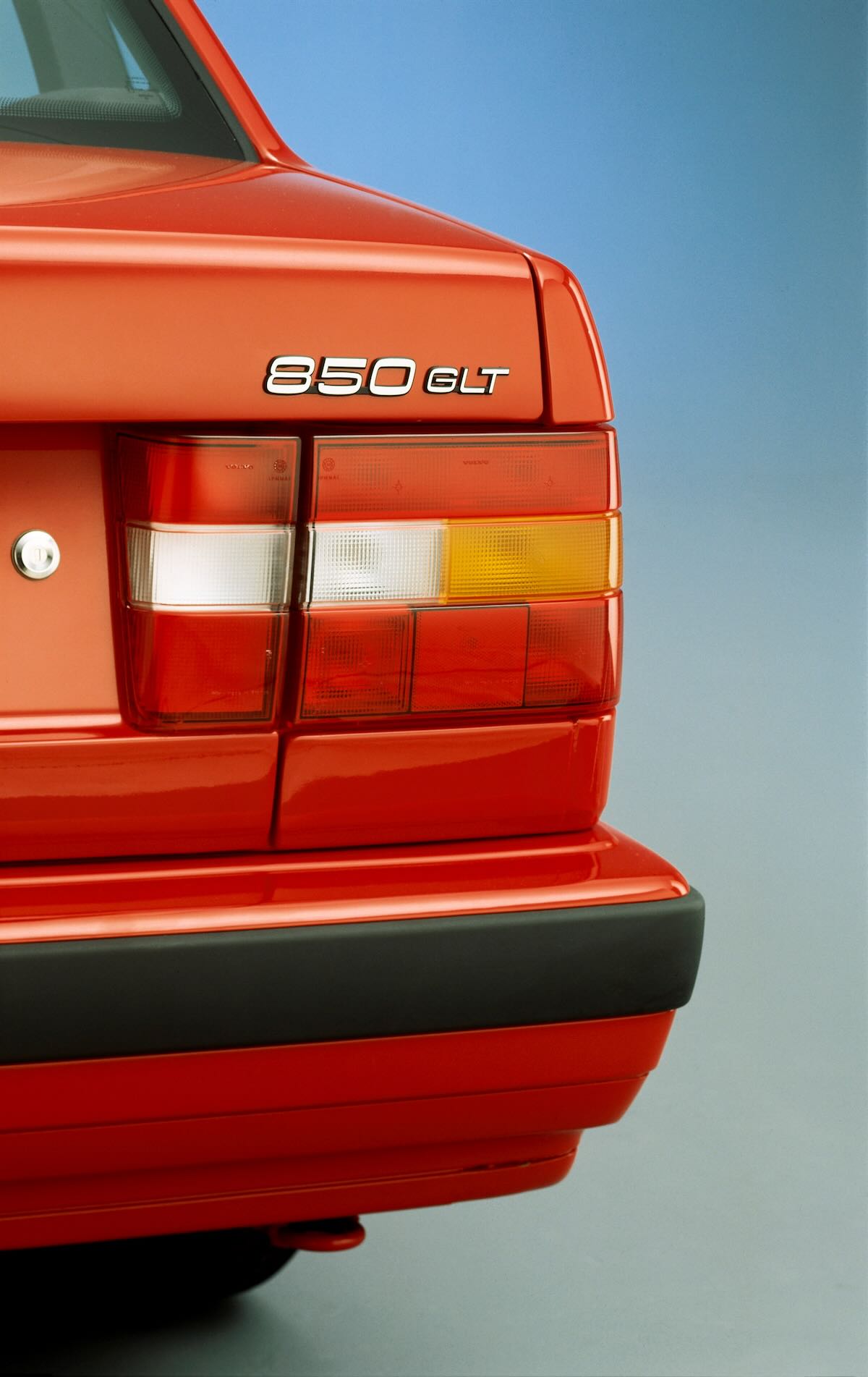
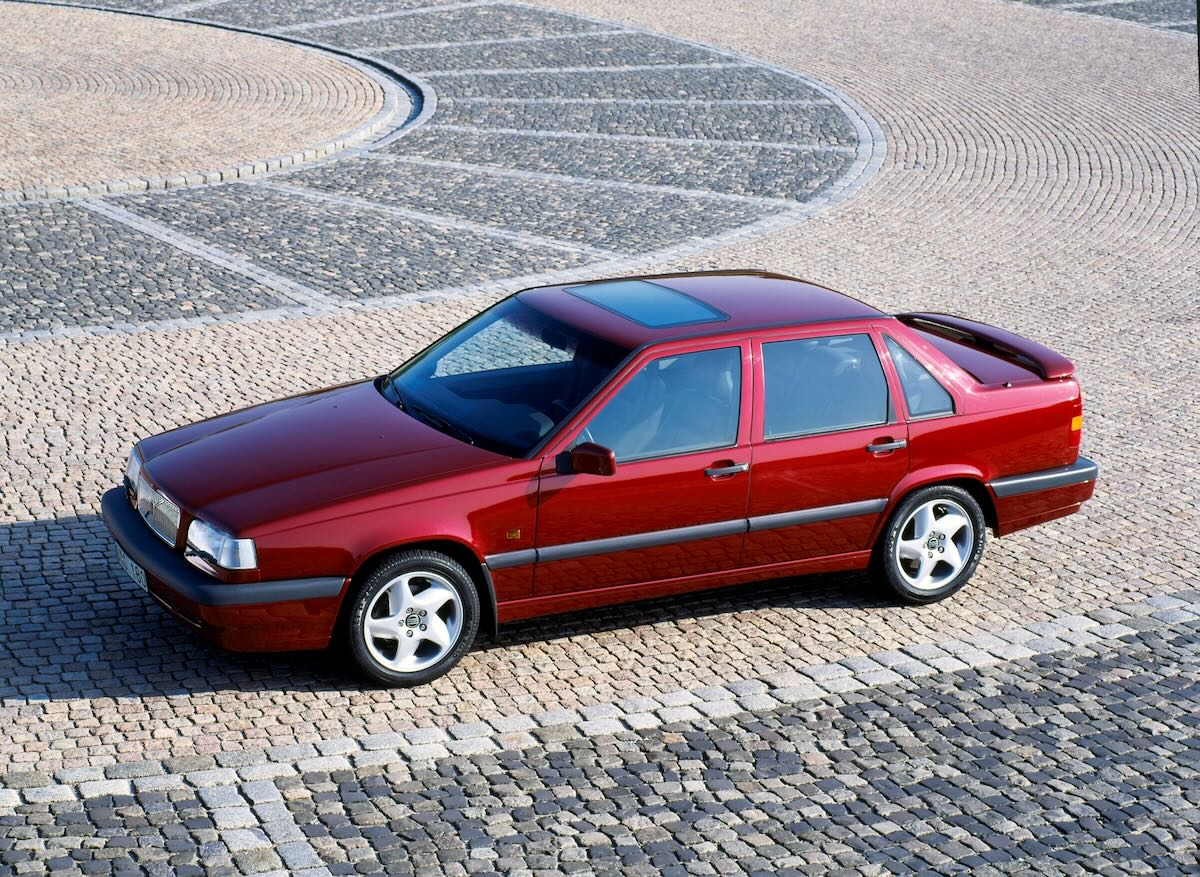
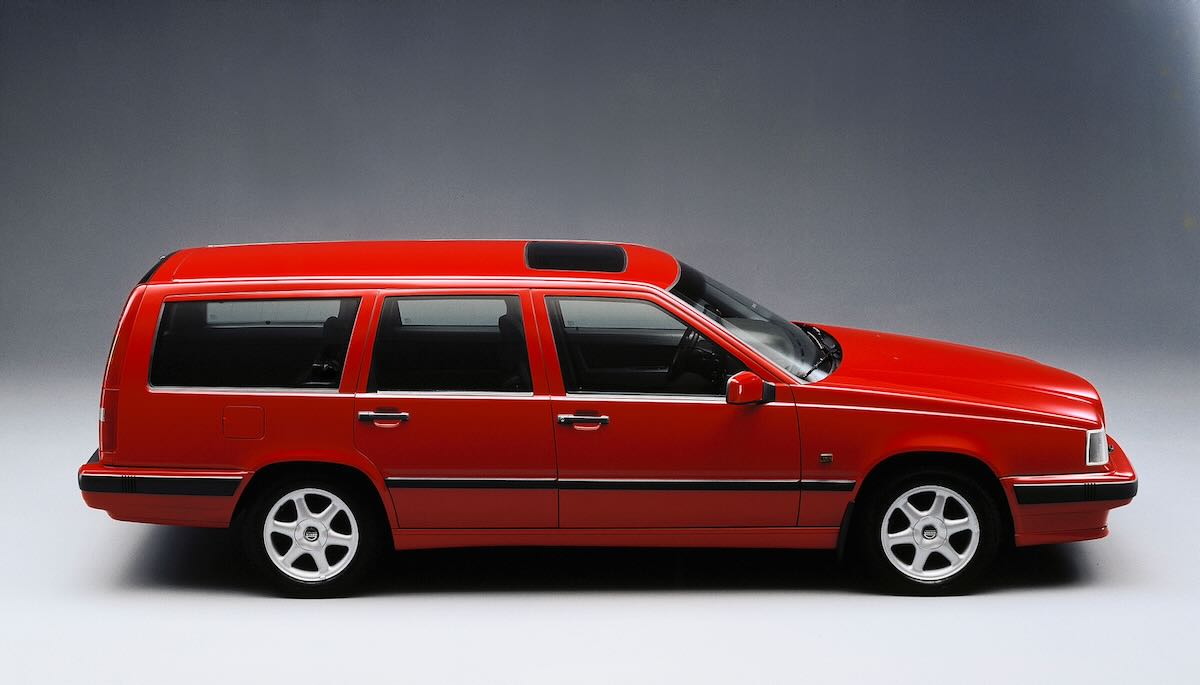
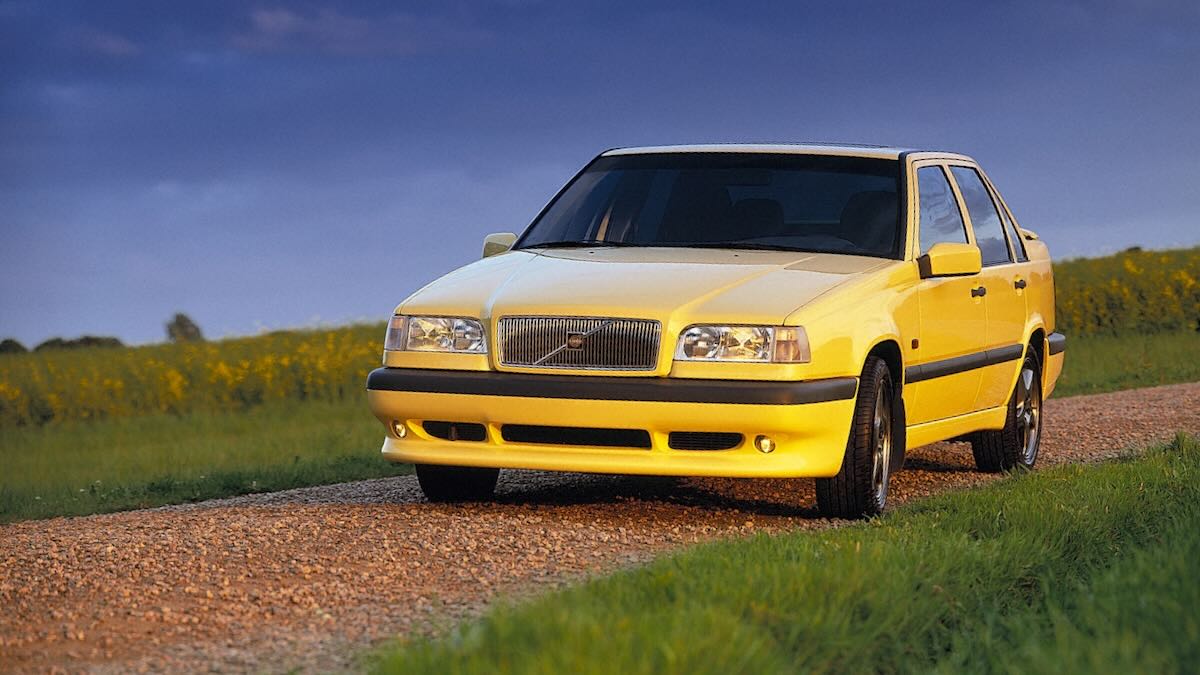
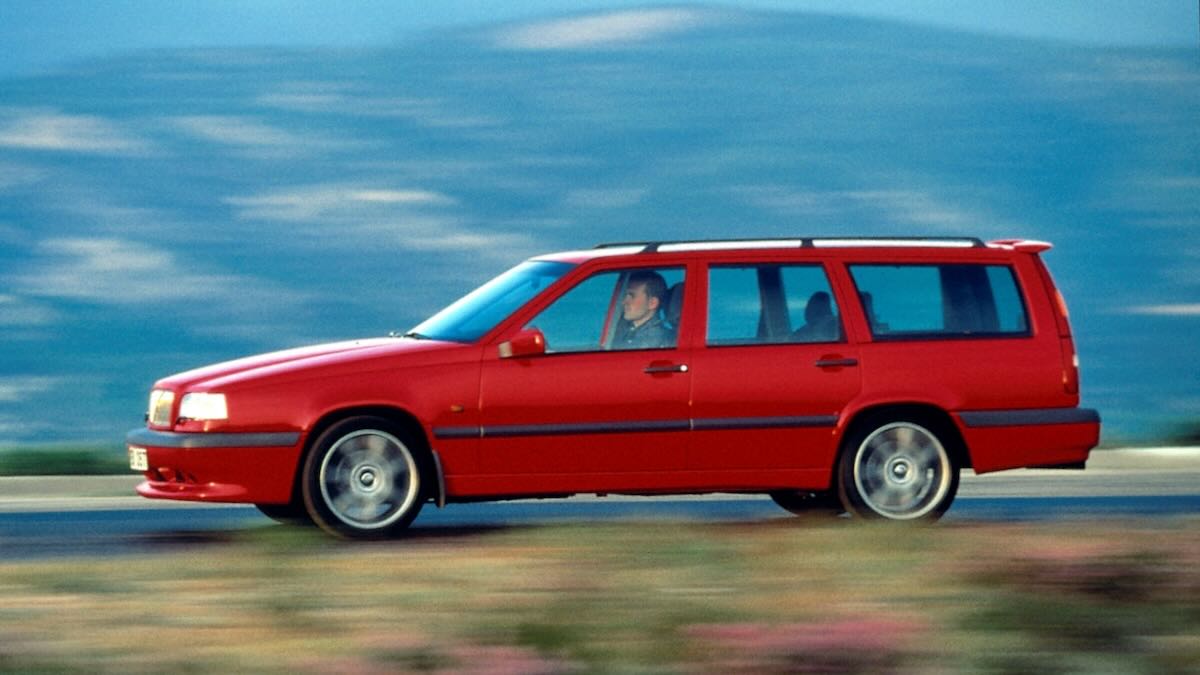
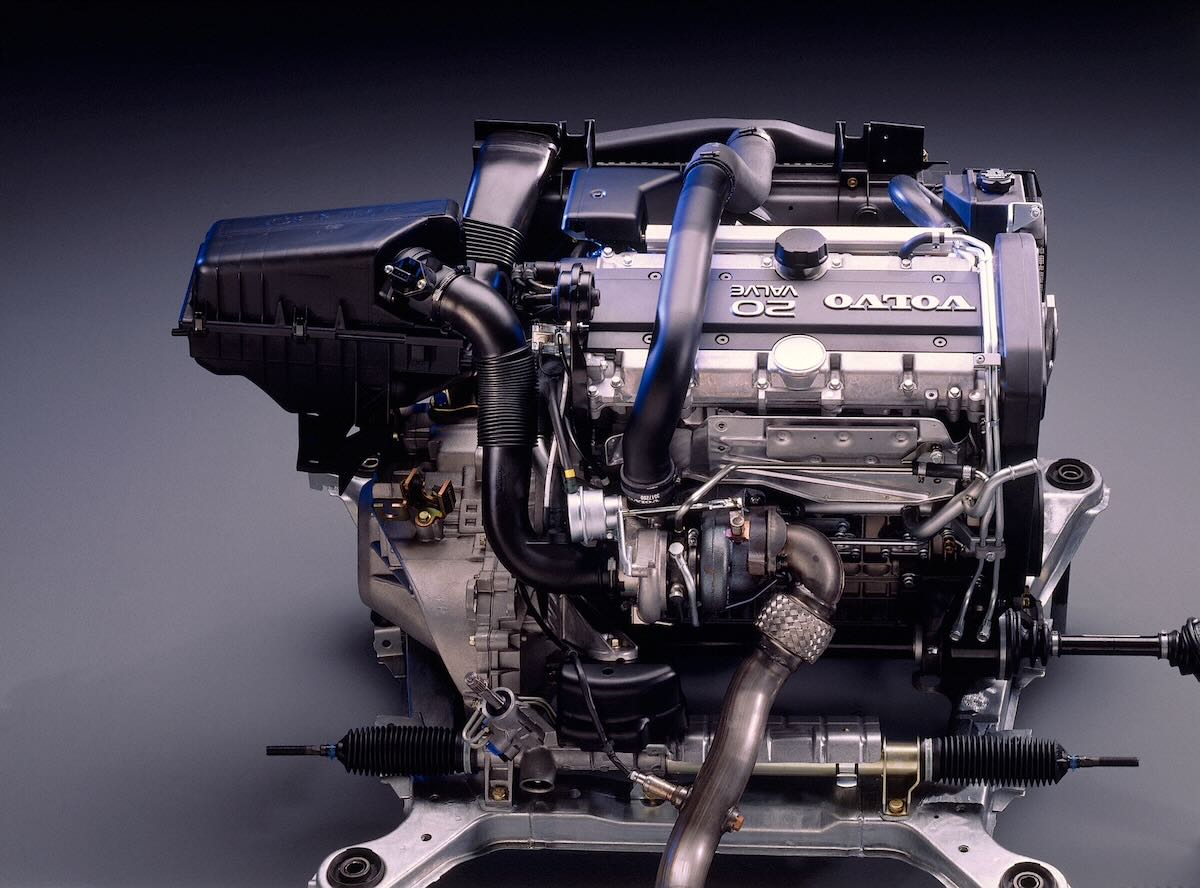
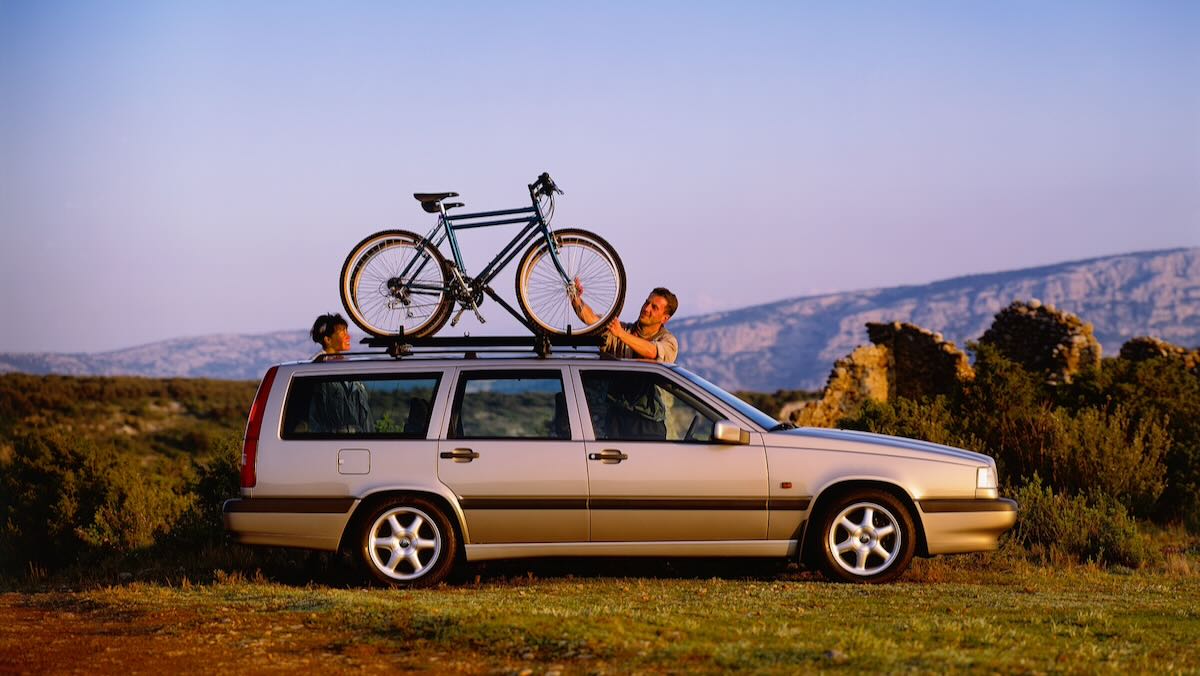
The 850 came in both a sedan and wagon version, with both the base and GLT trim levels enjoying a dual-overhead-cam, 20-valve, 168-horsepower 2.4-liter inline 5-cylinder engine under the hood.
After first introducing the 850, Volvo frequently updated the car, adding a turbo version in model year 1994, a performance version in 1995 (the T-5R), and an AWD version in 1996. The 1997 850 was the last year for the model. The next year it was given a substantial refreshing both on the inside and outside, and was reborn as the V70 (wagon) and S70 (sedan).
Driver- and passenger-side airbags were standard, as were 4-wheel ABS disc brakes. Traction control was an option.
Volvo 850 Timeline
Here’s a summary of the 850’s evolution broken into chronological order, by year, starting with the 1992 debut. See a MSRP price list for 1997 models.
1992 850
The Volvo 850 makes its appearance on the automotive world’s stage, but was available only in the European market. Known as the 850 GLT, it produces 168 HP and enjoys a 0-60 of 9 seconds and a max speed of 130MPH. At this time the 850 was sedan only: the 850 wagon wouldn’t be released until February 1993.

1993 850
The 850 is available in North American market for the first time.
- all 850s are GLT trim
- wagon not available in North America — yet
- no turbo engine available
- 4-bolt wheel lugs
- 1993-specific wheel covers
- headlights (taller)
- tail lights (taller)
- seat coverings
- timing belt change interval 50k miles
- different spoiler on the sedan
- ABS standard
- Traction control was an option
1994 850
Volvo introduces the new 5-door wagon, which it manufactures until the 850’s demise. They also introduced a 222-hp turbocharged engine available for both wagons and sedans, but it’s only mated to an automatic transmission.

Compared to the 1993 850, in North America the 1994 850:
- dropped GLT designation, base 850 is just “850”
- wagon debuts
- turbocharged engine debuts (222hp), available for both wagons and sedans
- new base-level sedan and a Level II tier of optional equipment for both sedans and wagons
- timing belt change interval moved up to 70k miles
See this dedicated thread on 1993 to 1994 Volvo 850 Differences where you can see more, and comment.

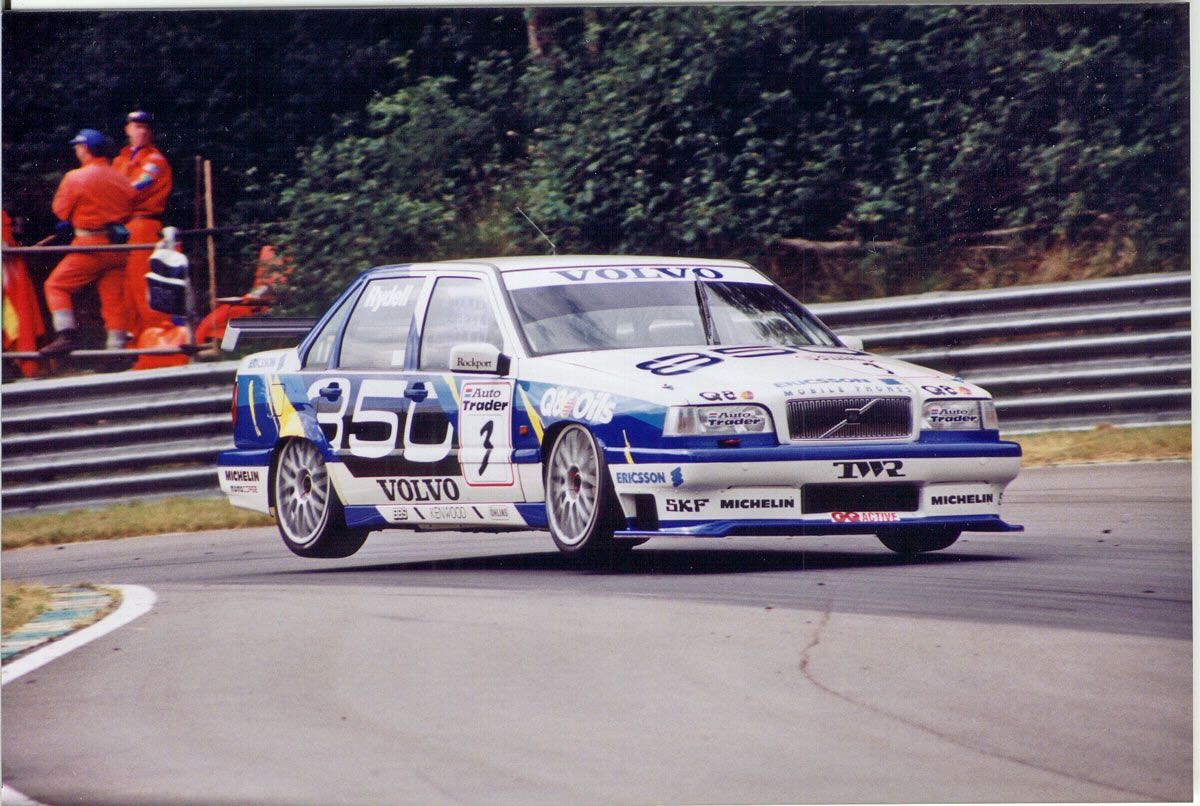
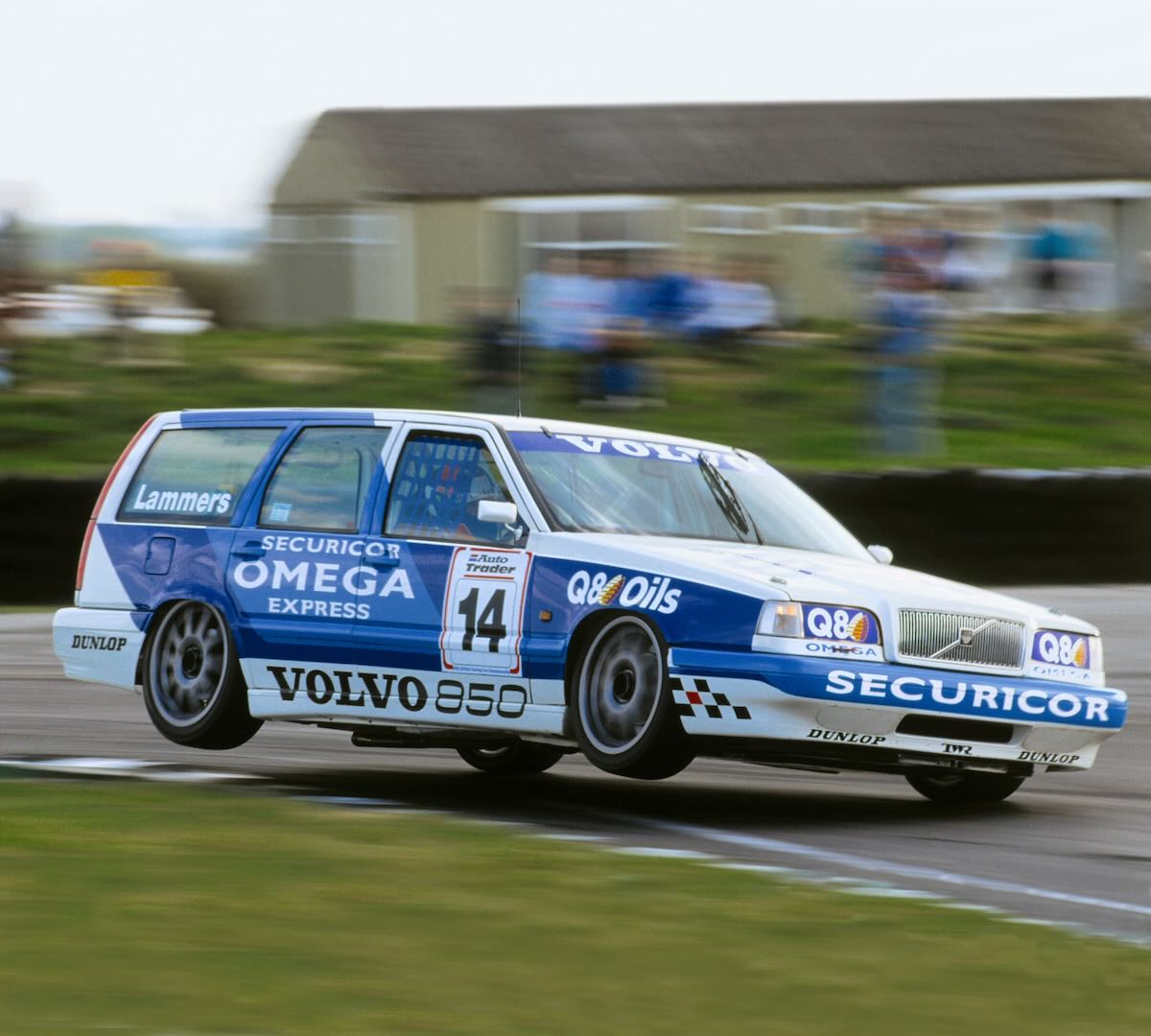
Also in 1994, Volvo went racing. That story details Volvo’s fantastic run at the British Touring Car Championship (BTCC).
1995 850
The 850 becomes the first production car to offer side airbags (as part of Volvo’s SIPS) as a supplement to front airbags. These side airbags are mounted in the outside bolsters of the front seatbacks and deployed in a lateral impact to help protect the chest area of occupants. These side airbags are standard on the 850 Turbo sedan and wagon and a $500 option on non-turbo models.
Base models are now badged simply as 850s, with the GLT trim level reborn as an upscale model.
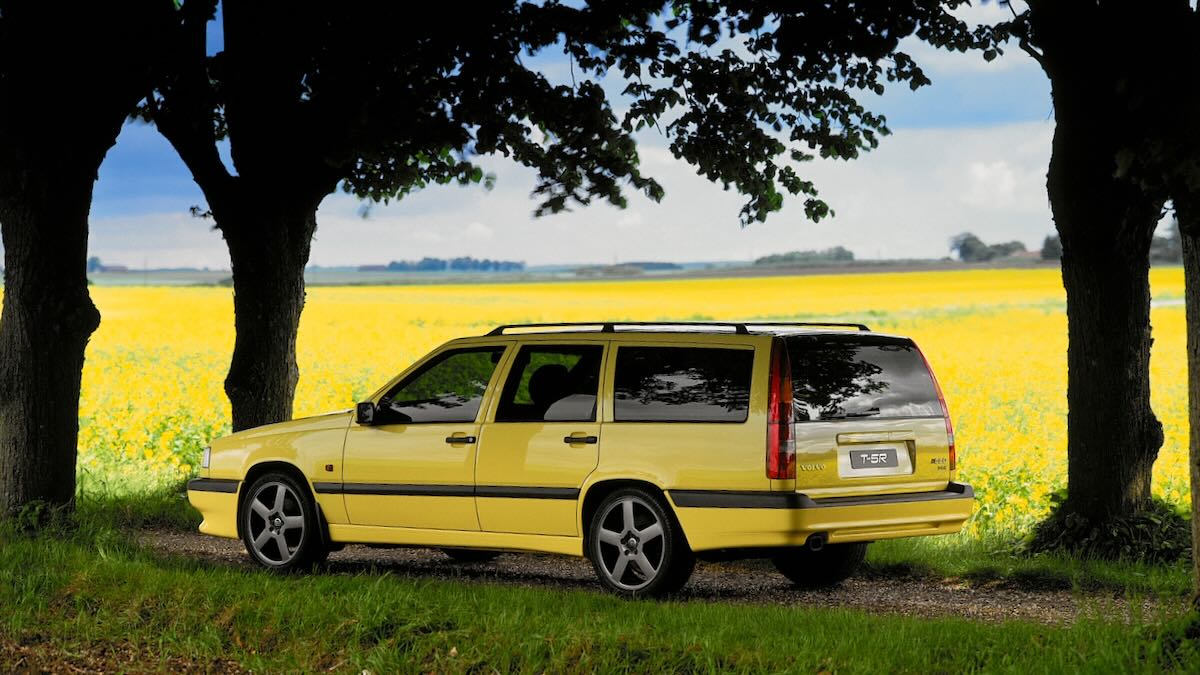
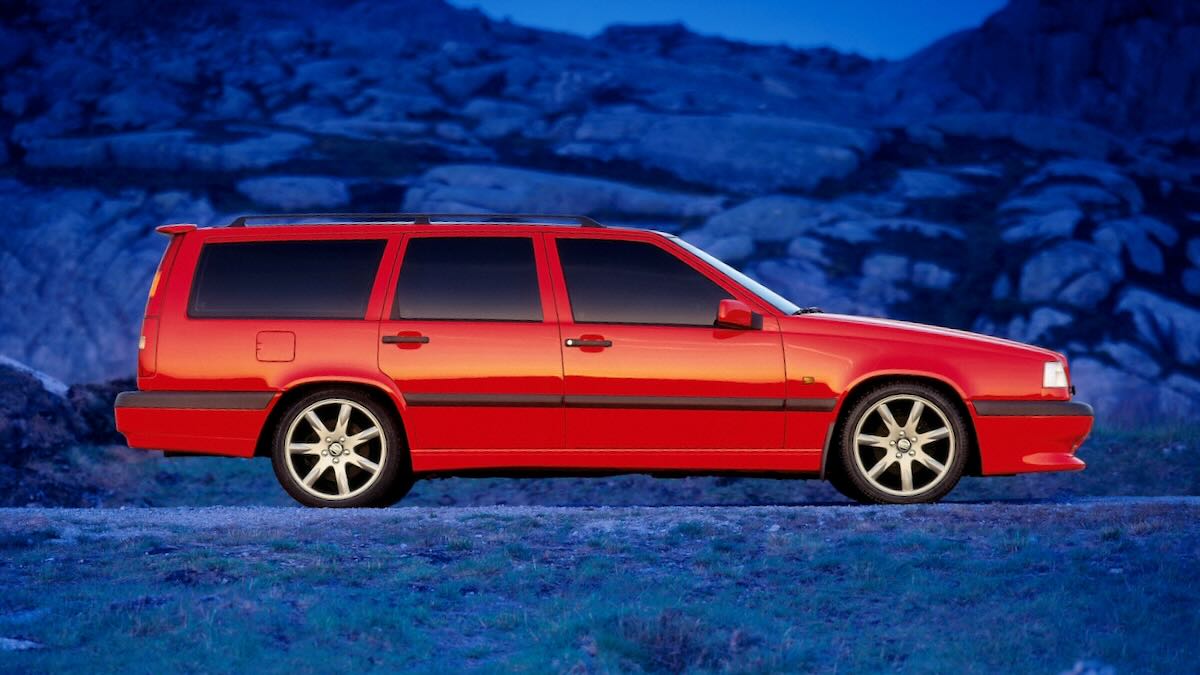
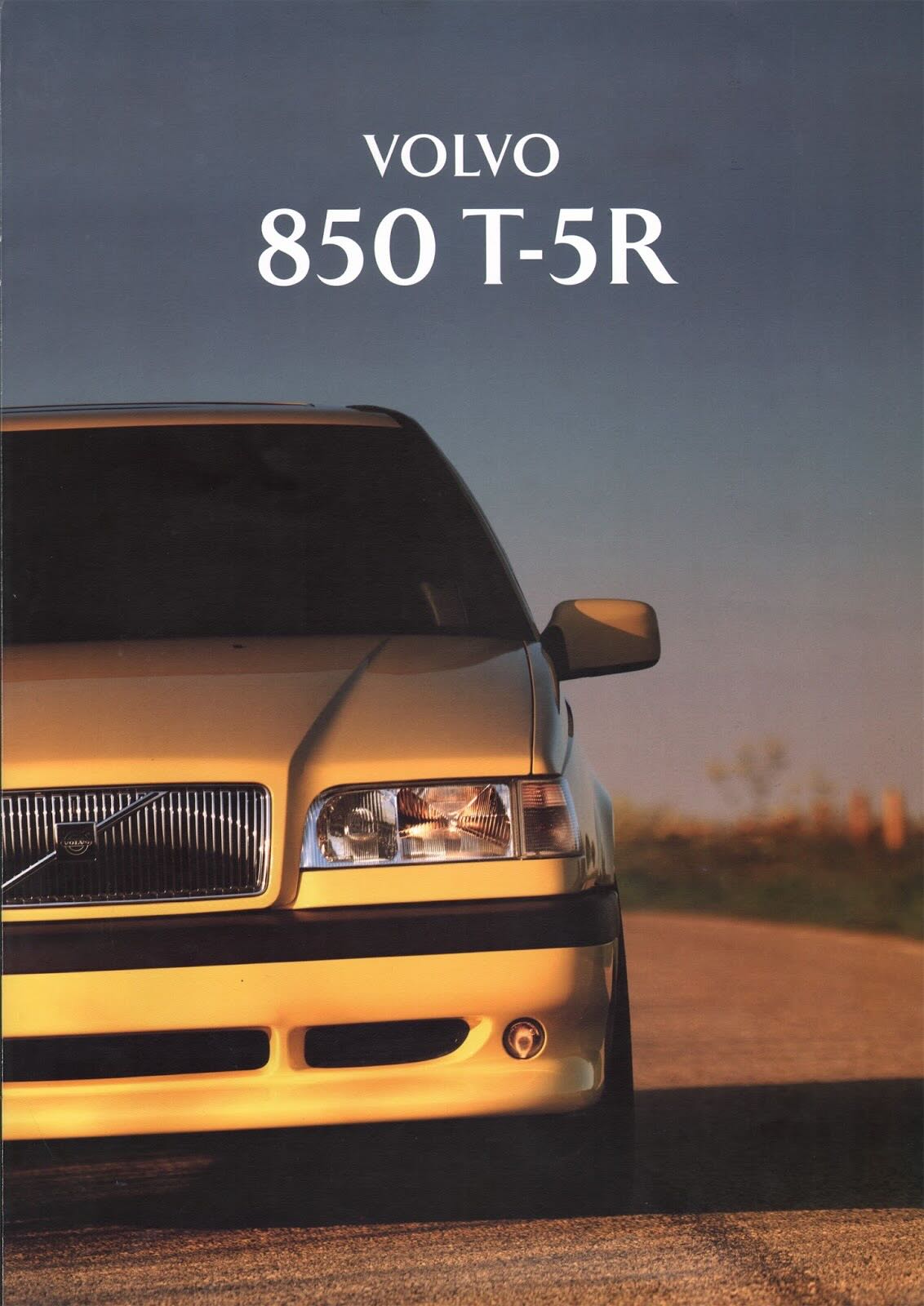
Also in 1995, Volvo debuts the T-5R, their first foray into performance cars and at the time, the fastest wagon in production. The T-5R produces 225HP and shaved about 2 seconds off the standard model’s 0-60, with a max speed of 152 MPH. Read the NYT article or Car & Driver article on the 1995 T-5R.

Volvo imported 1000 units to North America of the T-5R, 413 of them with a special yellow paint “Cream Yellow”, and featured a 240-horsepower version of the durable 5-cylinder.
For more specifics, see Differences Between 1994 and 1995 Volvo 850.
1996 850
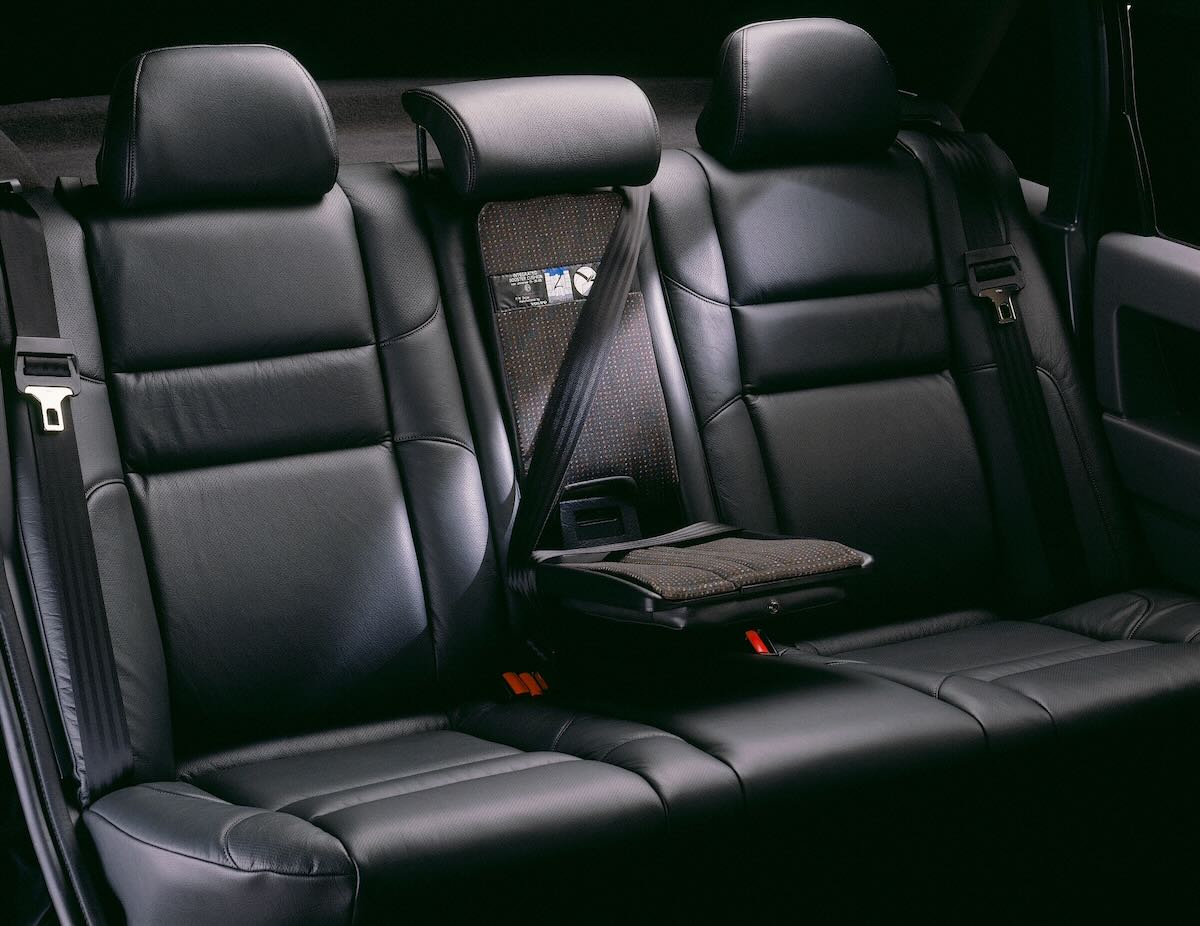
For the 1996 year, Volvo offered a Platinum Limited Edition 850 sedan and wagon in a limited US run of 1500 units. The Platinum edition is equipped with the 222-horsepower turbocharged engine, leather seats, unique 16-inch wheels, and a metallic “pearl white platinum” paint.

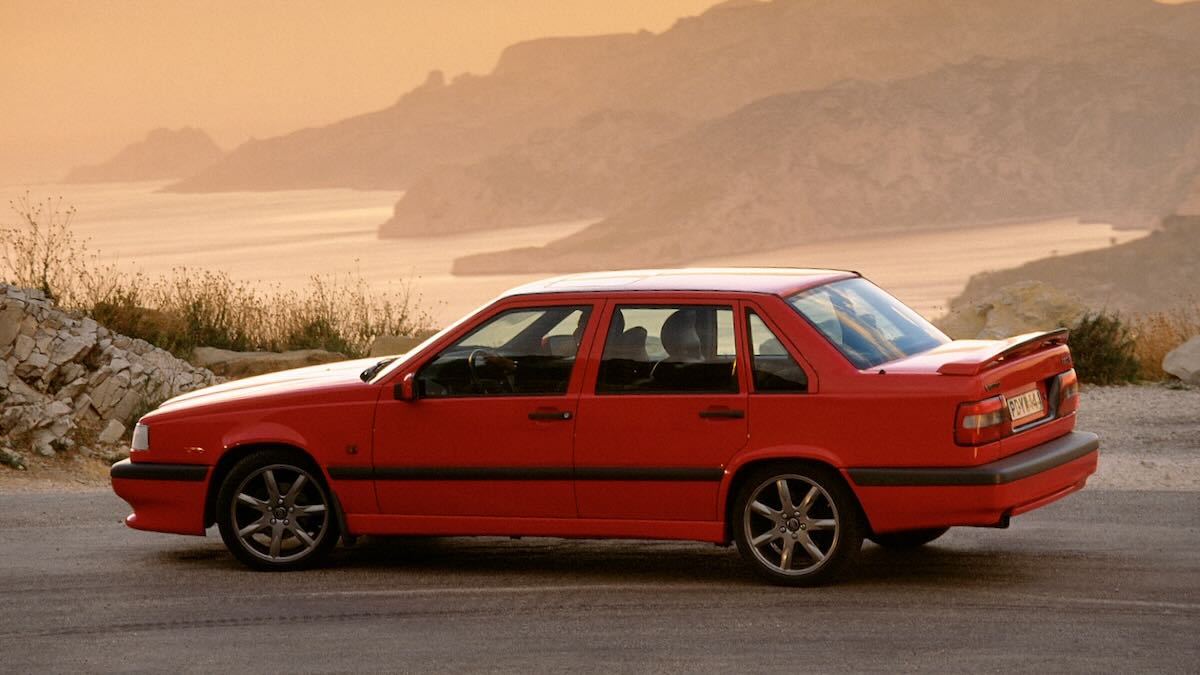
For their performance model, Volvo takes away the T-5R name from its fastest 850 and names it simply the 850 R. The 850 R is not a limited-edition car like the T-5R was.
1997 850 – The Last Year
For its last year, the 850 family now includes base (168 HP), GLT (190 HP), T5 (222 HP), and R (240 HP), and all are available in both sedan and wagon body styles.
This same year, Volvo also introduces an all-wheel drive version of the 850 this same year, the 850 AWD. The AWD 850 enjoyed a 2.5 liter updated version of the proven 5 cylinder engine, higher ground clearance, and manual transmission drive exclusively.
Volvo ceased production on the 850 for model year 1997, with it soldiering on as the Volvo S70 (sedan) and V70 (wagon) in later years.
Have a Volvo 850 Problem?

If you’ve got a problem with your Volvo 850, we’ve got you covered!
First off, start with a quick search in our Volvo 850 Forum. This is the place to get advice and ask questions. If you don’t want to hunt around for an answer, simply register (it’s free!) and post your question. Since they’re so similar, the 850 and S70/V70 actually share a forum. We’ve never confirmed it, but we’d be shocked if the two Volvos didn’t share upwards of 90% of their parts!
Searching the forum is another super way of digging up information. You must be logged in to use Forum Search. Most of the posts here at MVS do get answered to one degree or another, so there is a ton of good information to be discovered.
Lastly, the Volvo Repair Database is a page that has links and short descriptions to over two hundred 850 and S70 repairs.
Volvo 850 Repairs and Tips
Like we just mentioned, check out the Volvo Repair Database. From how to replace your thermostat to resetting your service light to what to do when your Volvo radio says CODE, it has dozens of fixes and how-to’s found in the MVS Forum, with feedback discussion and alternate methods from owners like you, with both onsite and offsite links to quality 850 information.
Looking to tune up your 850? Check out this short video from our friends at iPd Volvo to get the basics:
Technical Specifications
- Model: 850 Estate
- Variants: AWD, XC, R
- Produced: 1993 -1996
- Volume: 326068
- Body: 5-door estate car
- Engine: 5-cylinder in-line DOHC unit, 1,984 cc to 2,383 cc or 5-cylinder in-line 2,461 cc SOHC turbo-diesel
- Transmission: 5-speed manual or 4-speed automatic, FWD or AWD
- Brakes: Hydraulic, all-round disc brakes
- Dimensions: Overall length 472 cm Wheelbase 267 cm
850 Further Reading
- Volvo Performance & Tuning Upgrade Forum
- Detailing & Paint Care Help
- Volvo Classifieds
- Volvo 850 History, as told by Volvo
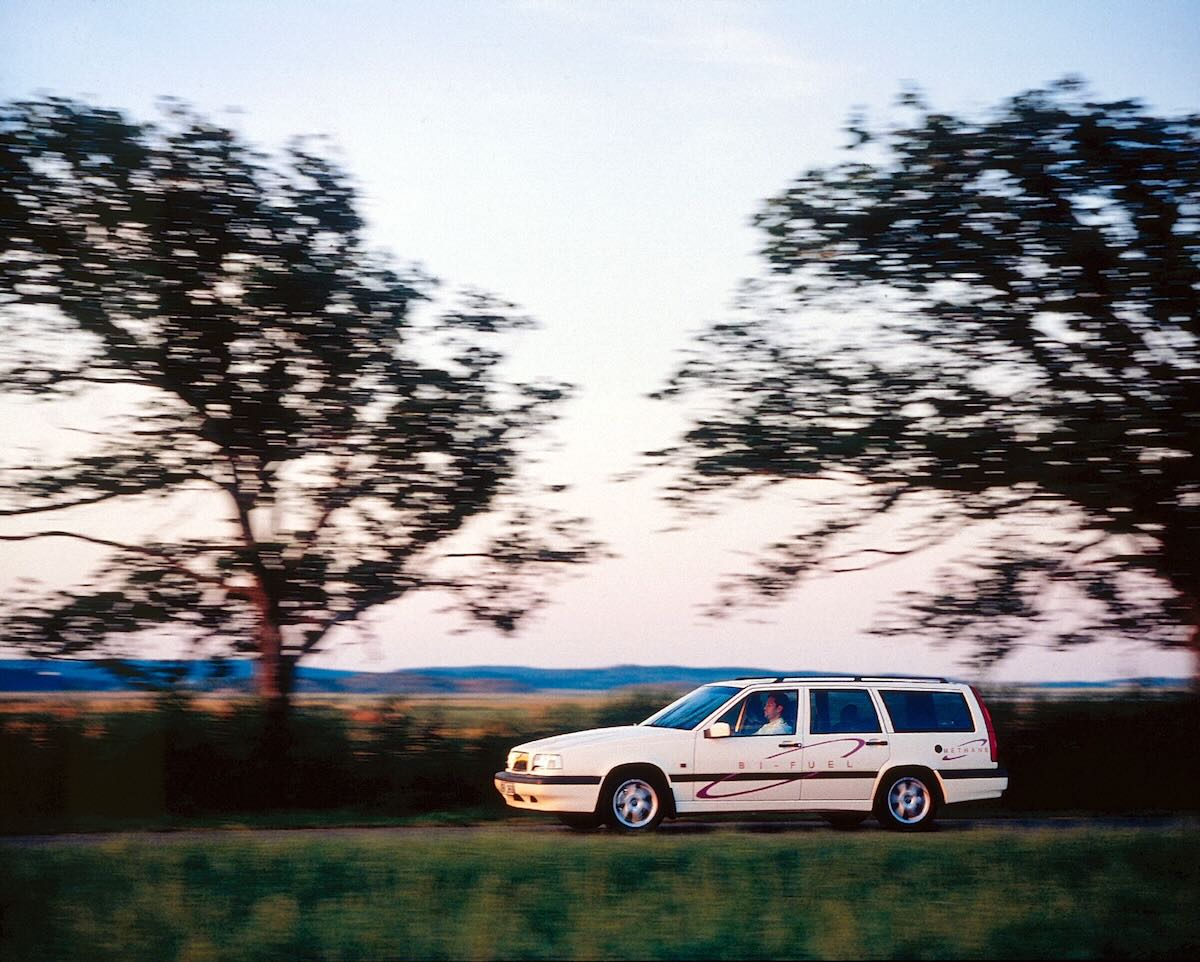
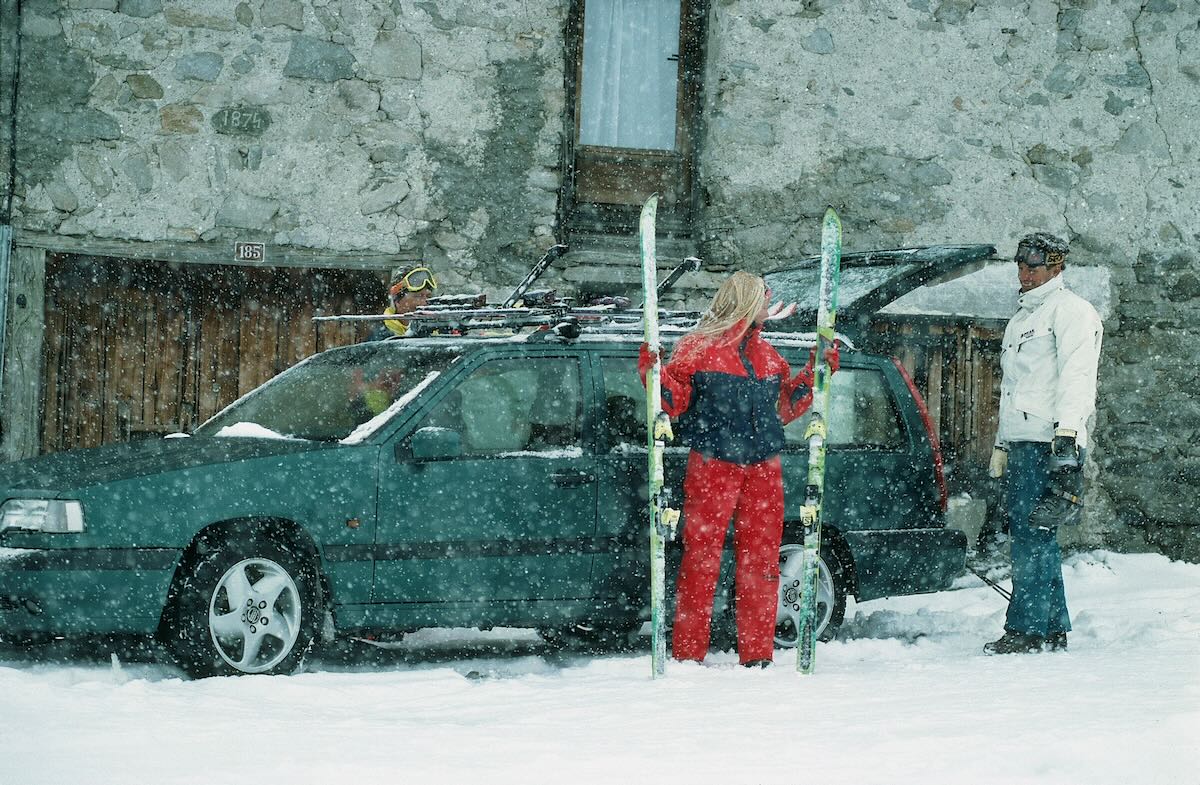
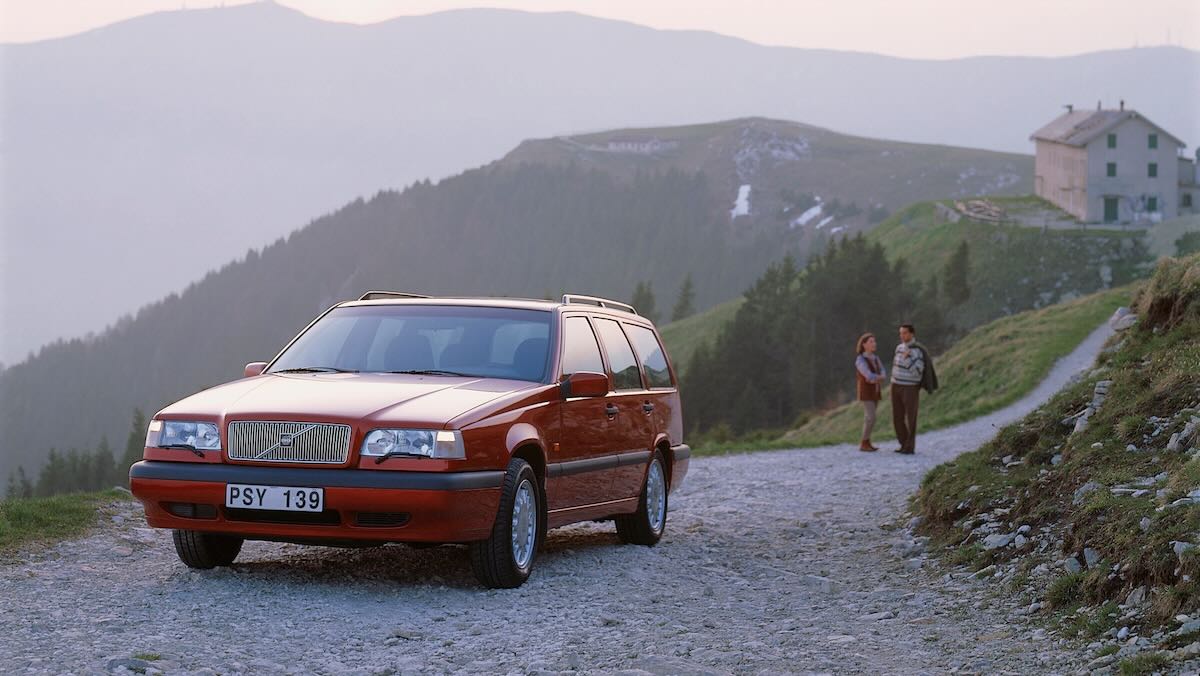
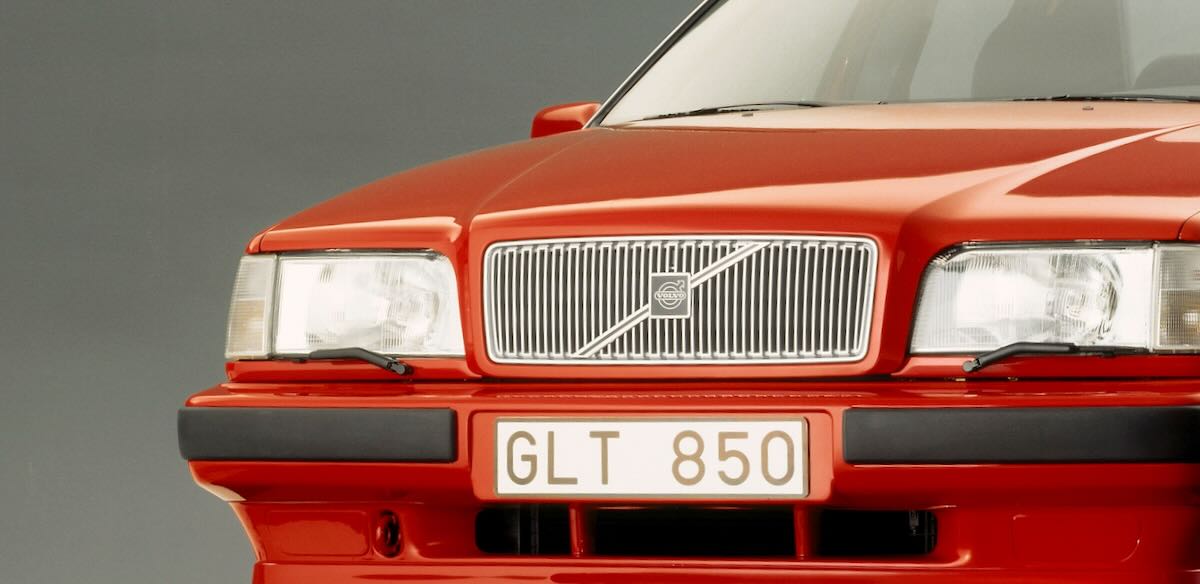
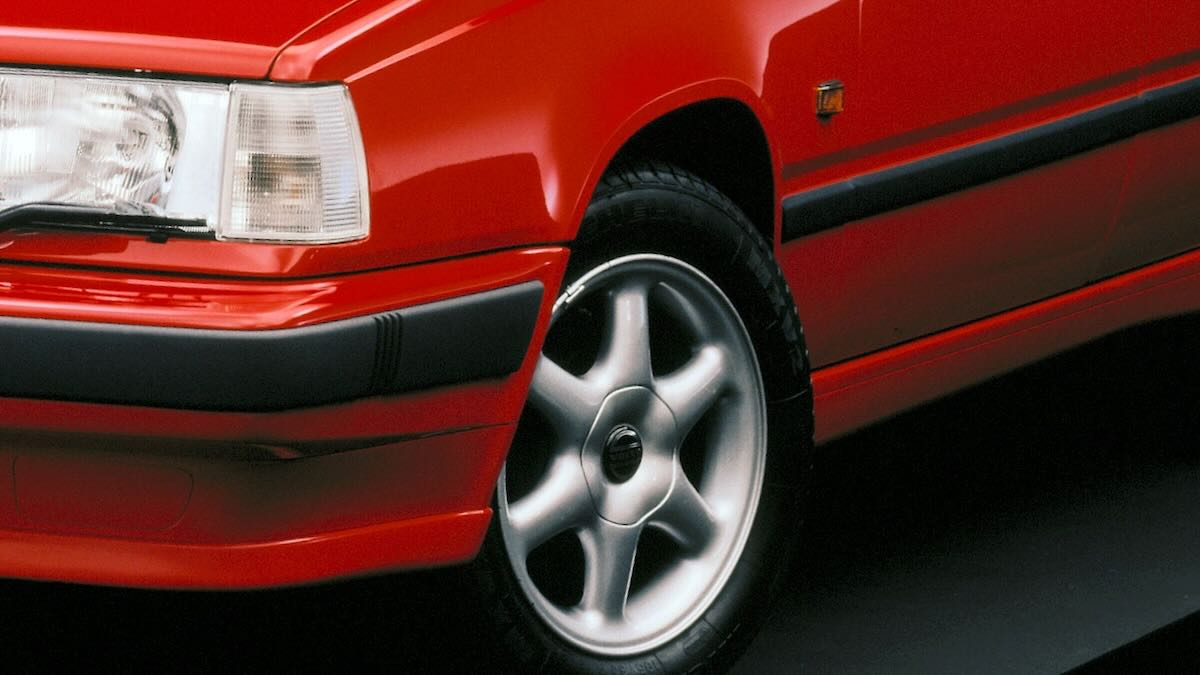
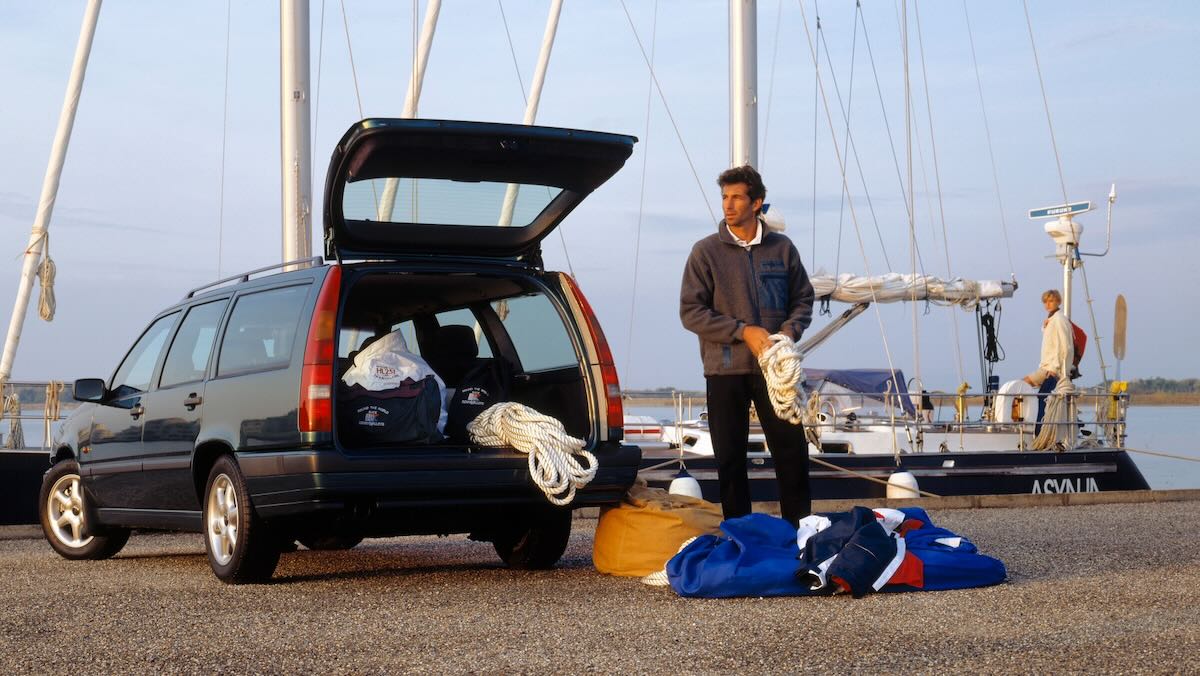
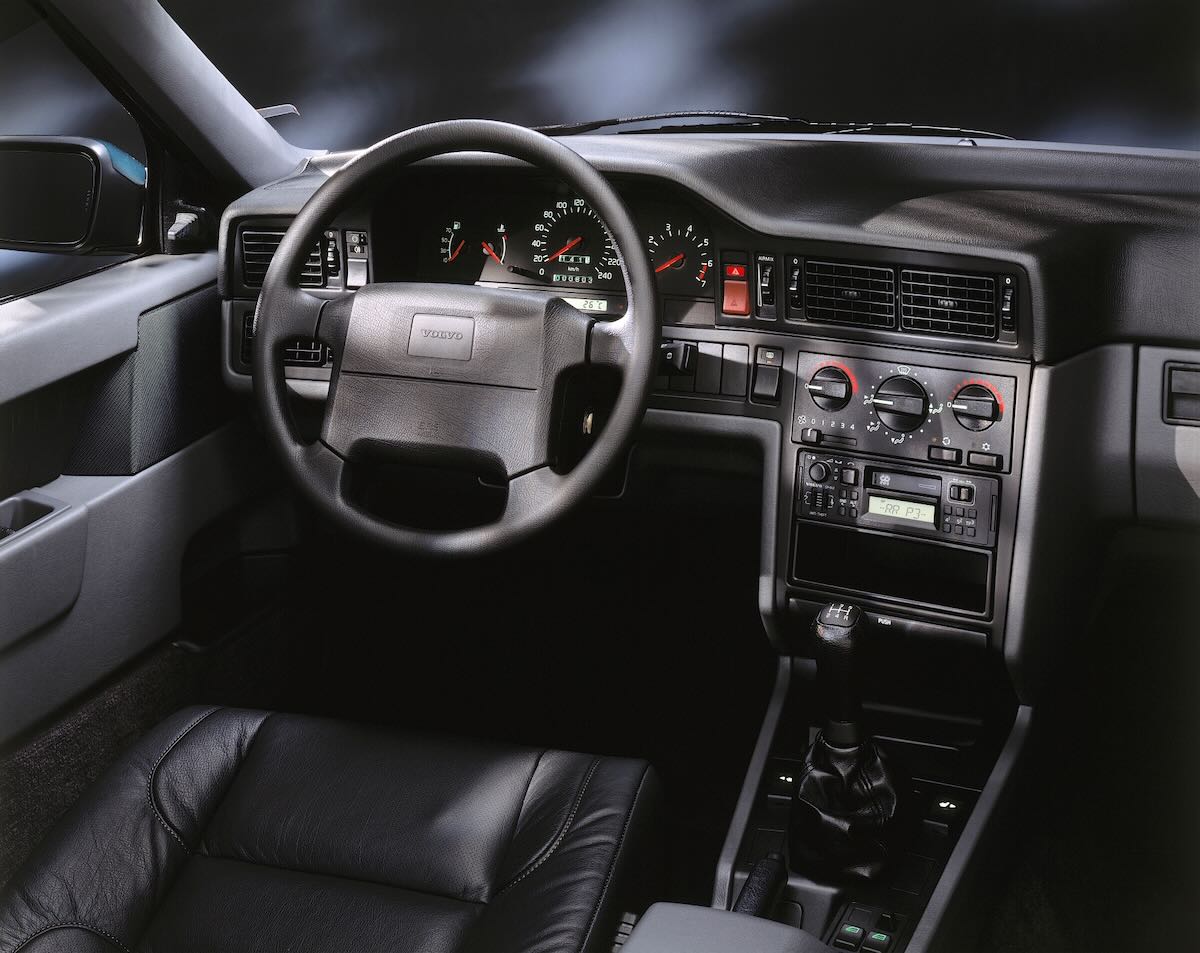
Volvo 850 Photos


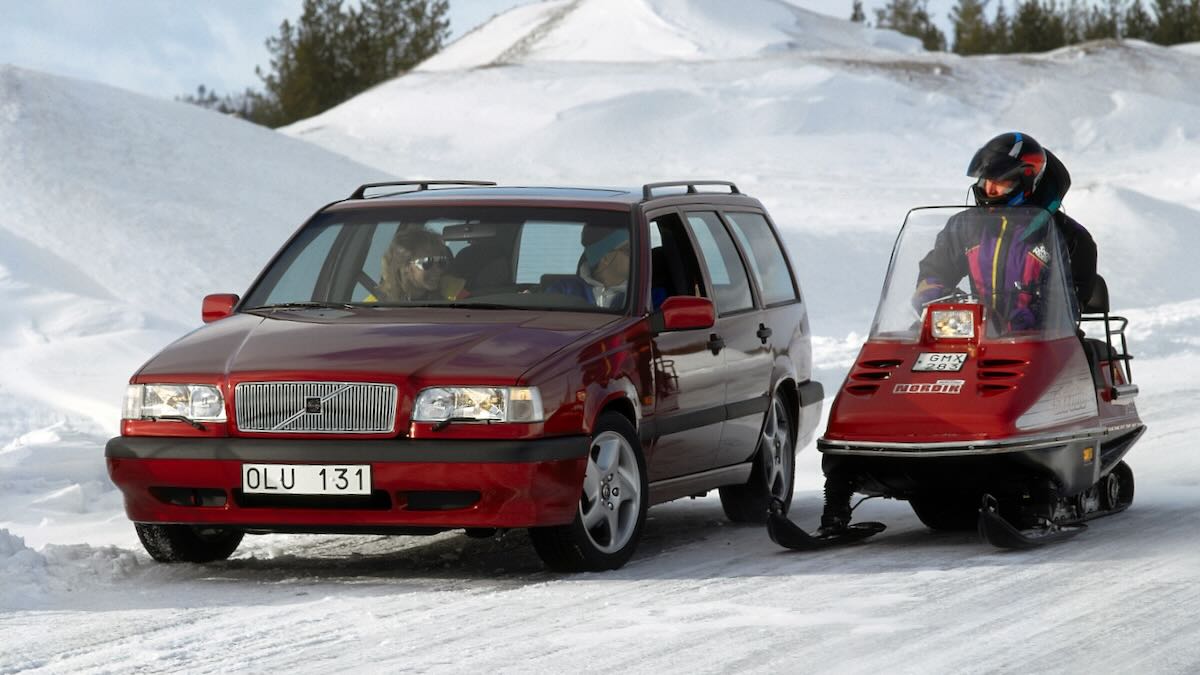
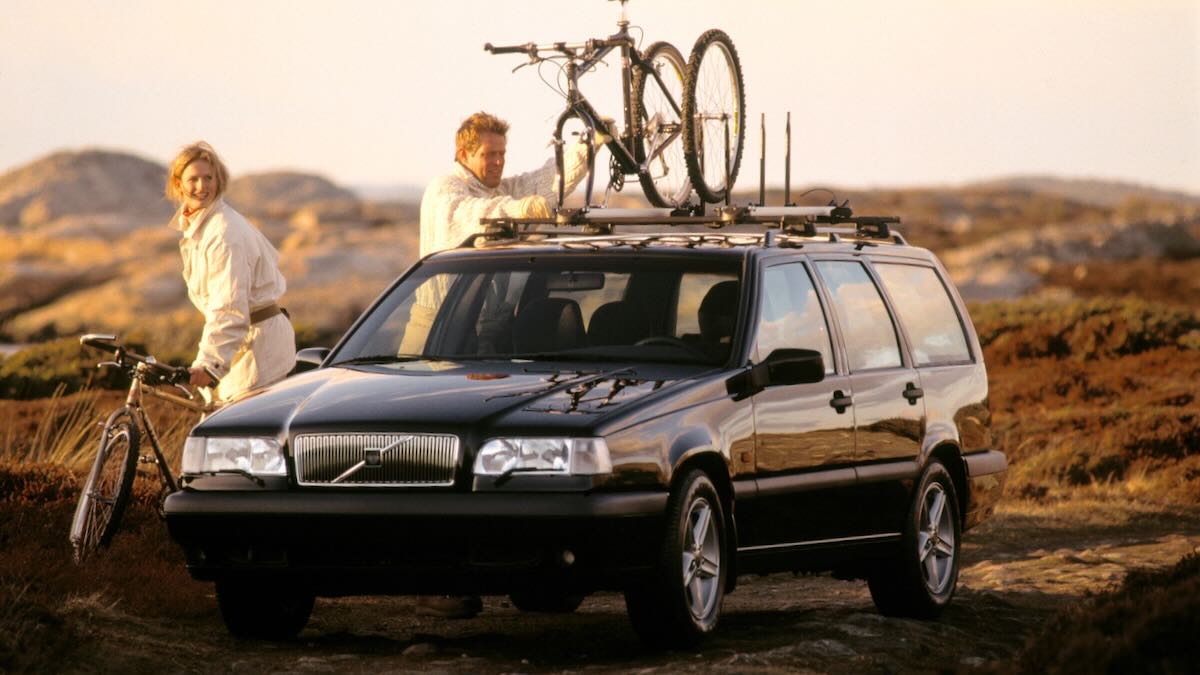
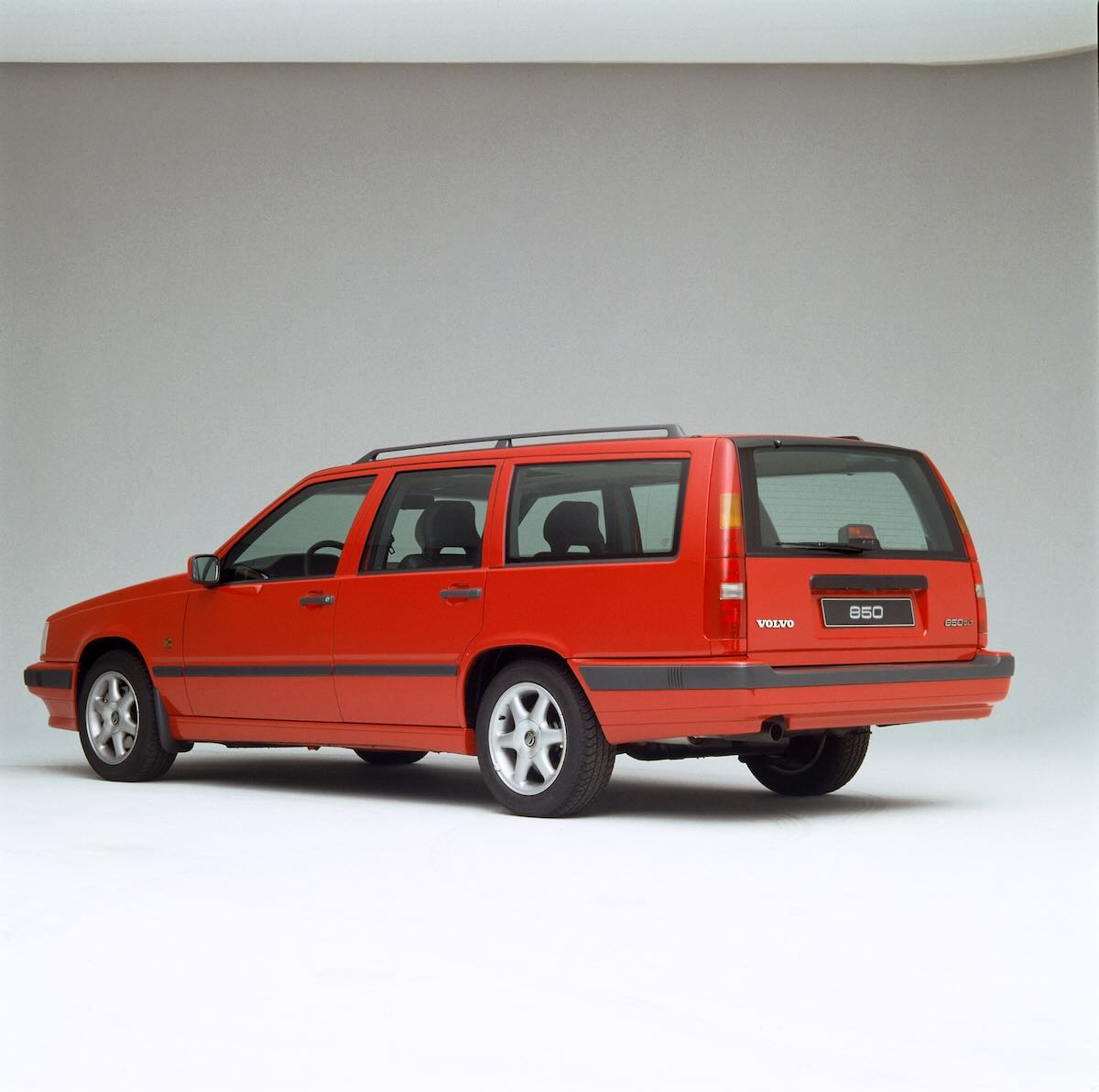
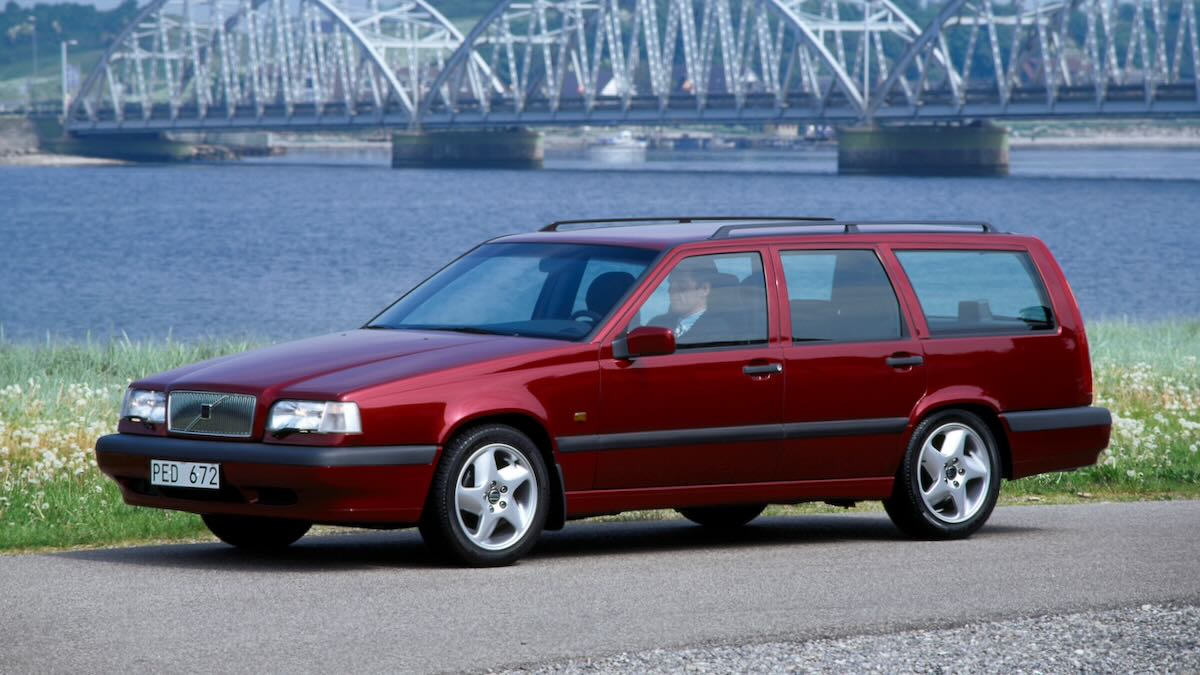

The S70 and V70: Volvo’s Facelifted 850s
Volvo introduced the S70 to the European market in model year 1997 (1998 in US). It was, in short, an updated 850 – at least 90% of it anyway. Consider the S70 simply an 850 with a facelift. The “S” in S70 of course meant “sedan”, with Volvo naming the wagon version the V70, as the Swedes name “wagons” as “vagn”.
Like the 850, the S70/V70 was extremely popular and shared the 850 sheet metal. Compared to the 850, the S70 and V70 enjoyed a number of changes and ‘freshening up’ when they debuted in the 1998 model year.
Window switches were moved from the center armrest to the driver’s door like most cars. Volvo smoothed out and retouched the head- and taillights, and the antenna became integrated into the car’s windshield — no longer a threat from the car wash’s dreaded spinning, uh, things.
All S70s and V70s came with standard heated mirrors, remote locks, ABS, and power windows.
Volvo only made about 1800 of these cars and the S70 had a short life of just 3 years, from 1998 to 2000, when it was replaced by the Volvo S60 beginning in 2001.
14 Comments
[…] 850 […]
[…] 850 […]
[…] 850 […]
[…] 850 […]
[…] 850 […]
[…] 850 […]
[…] 850 […]
[…] 850 […]
[…] 850 […]
[…] 20V non turbo Volvo 850 models had a variable inlet manifold, to increase engine efficiency. Well this topic is all about […]
[…] a white 850 displayed prominently out front piqued my curiosity. What’s a garden-variety base Volvo 850 doing in the “spotlight” at a Volvo dealer? Sure, it’s amazingly well maintained […]
[…] 850 […]
[…] 850 […]
[…] Volvo 850 […]